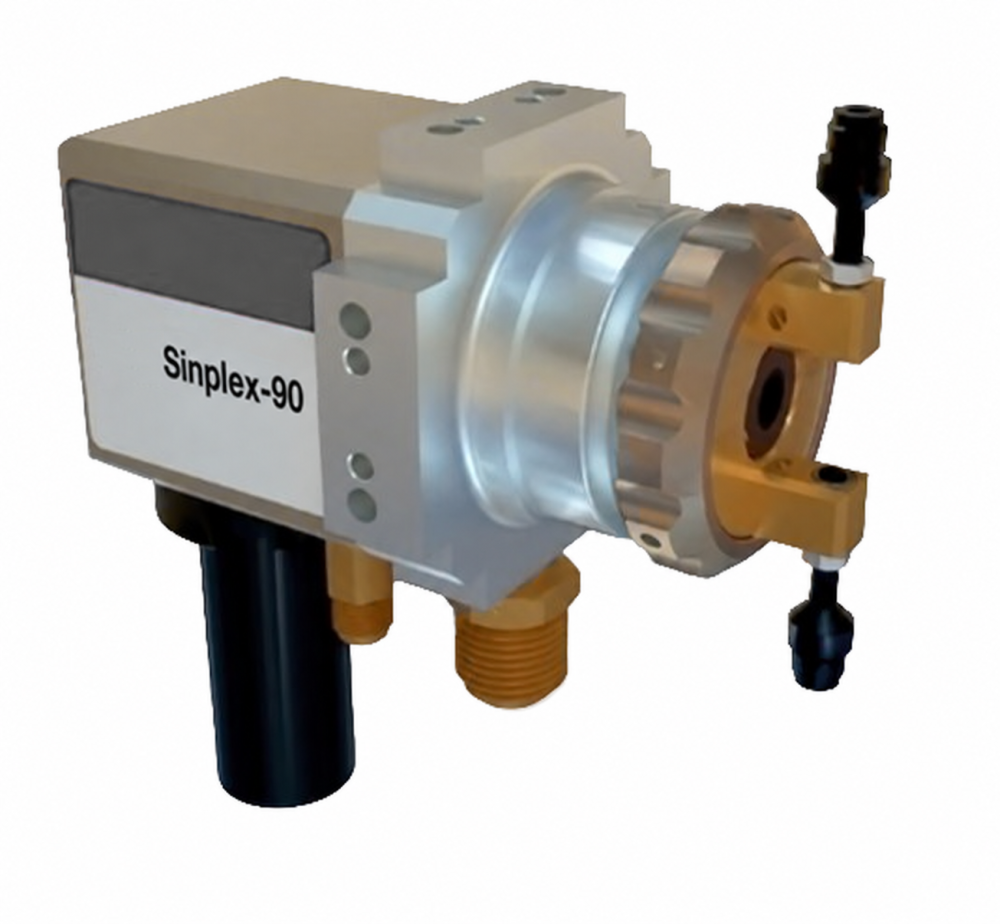
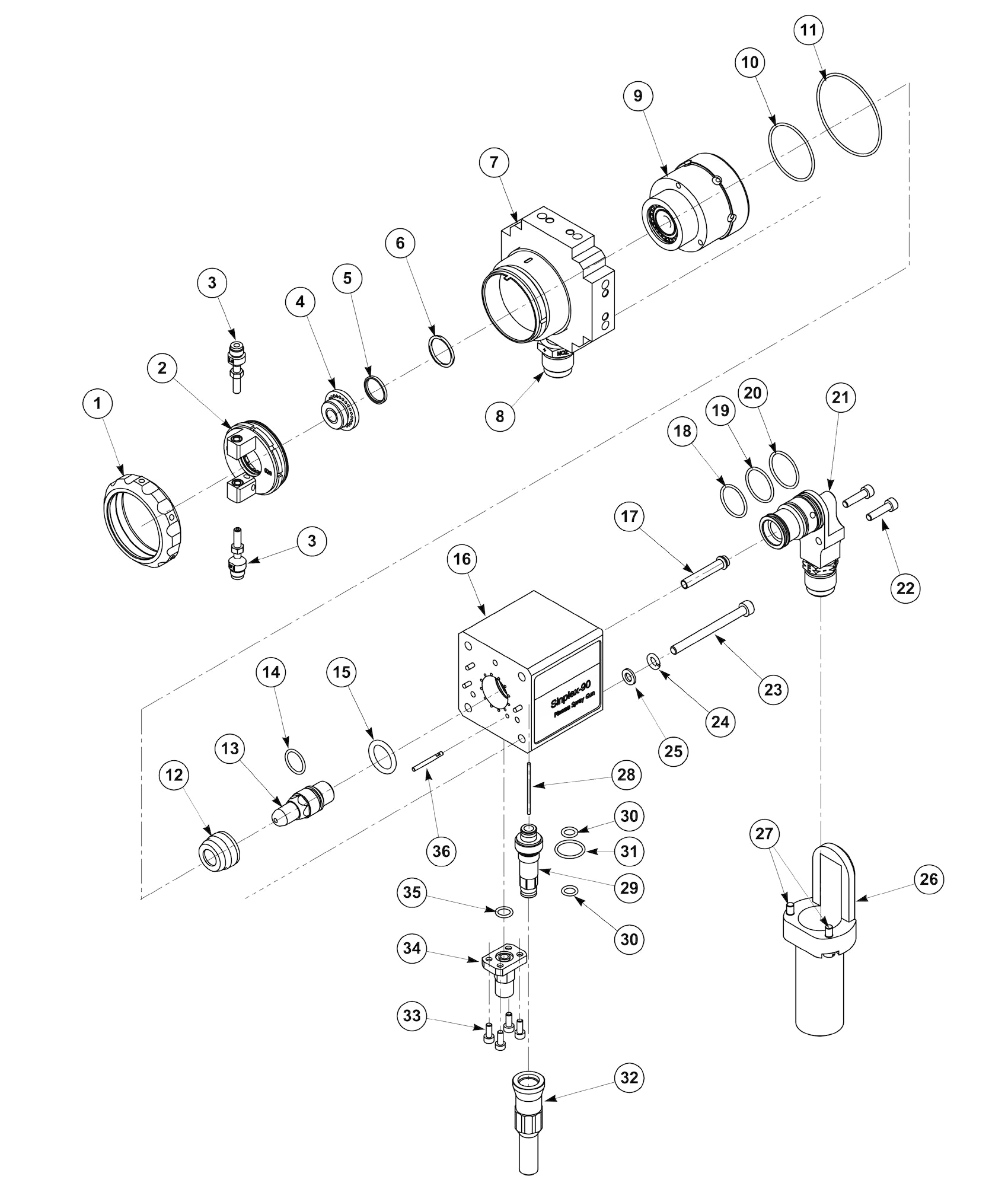
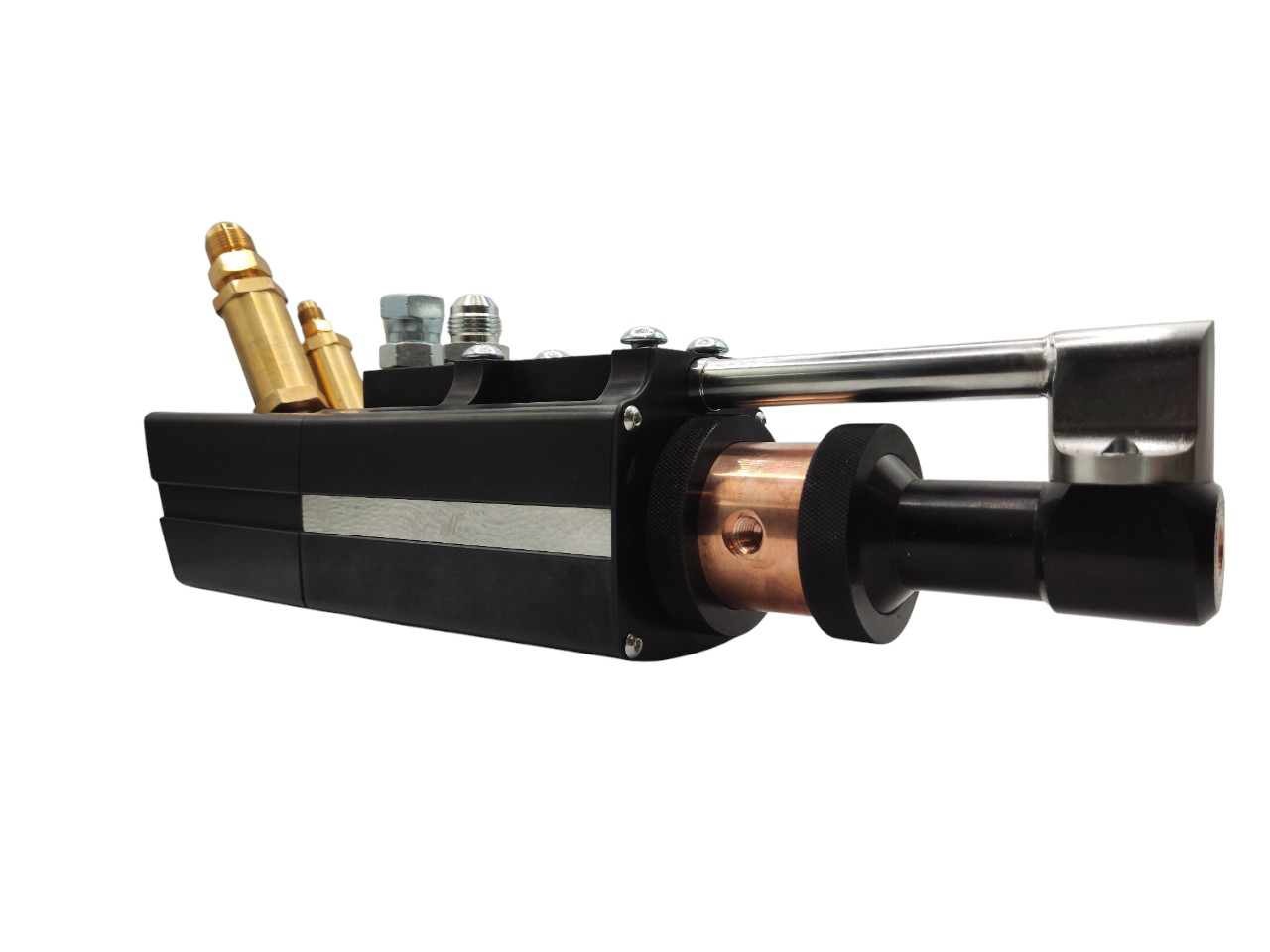
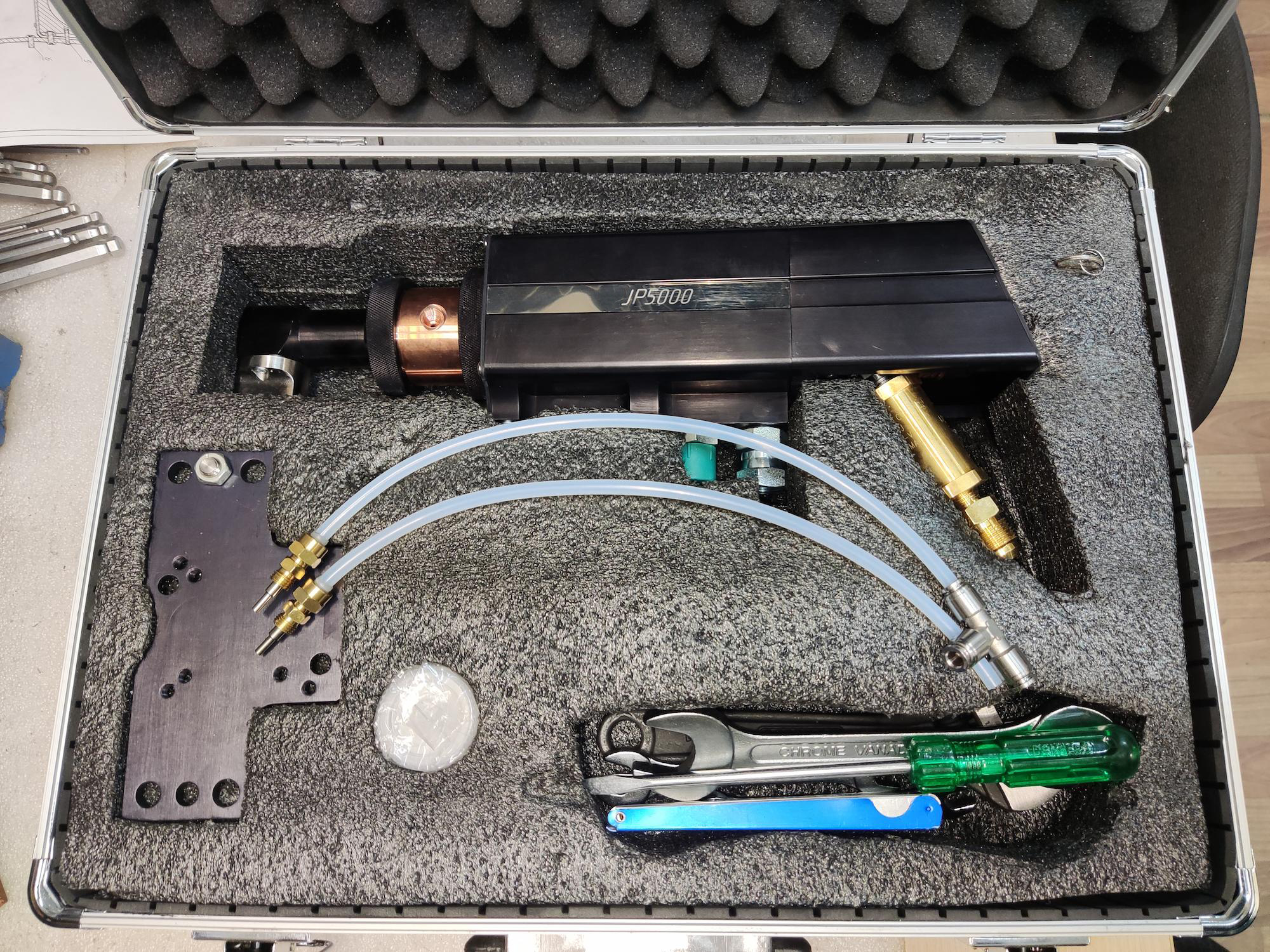
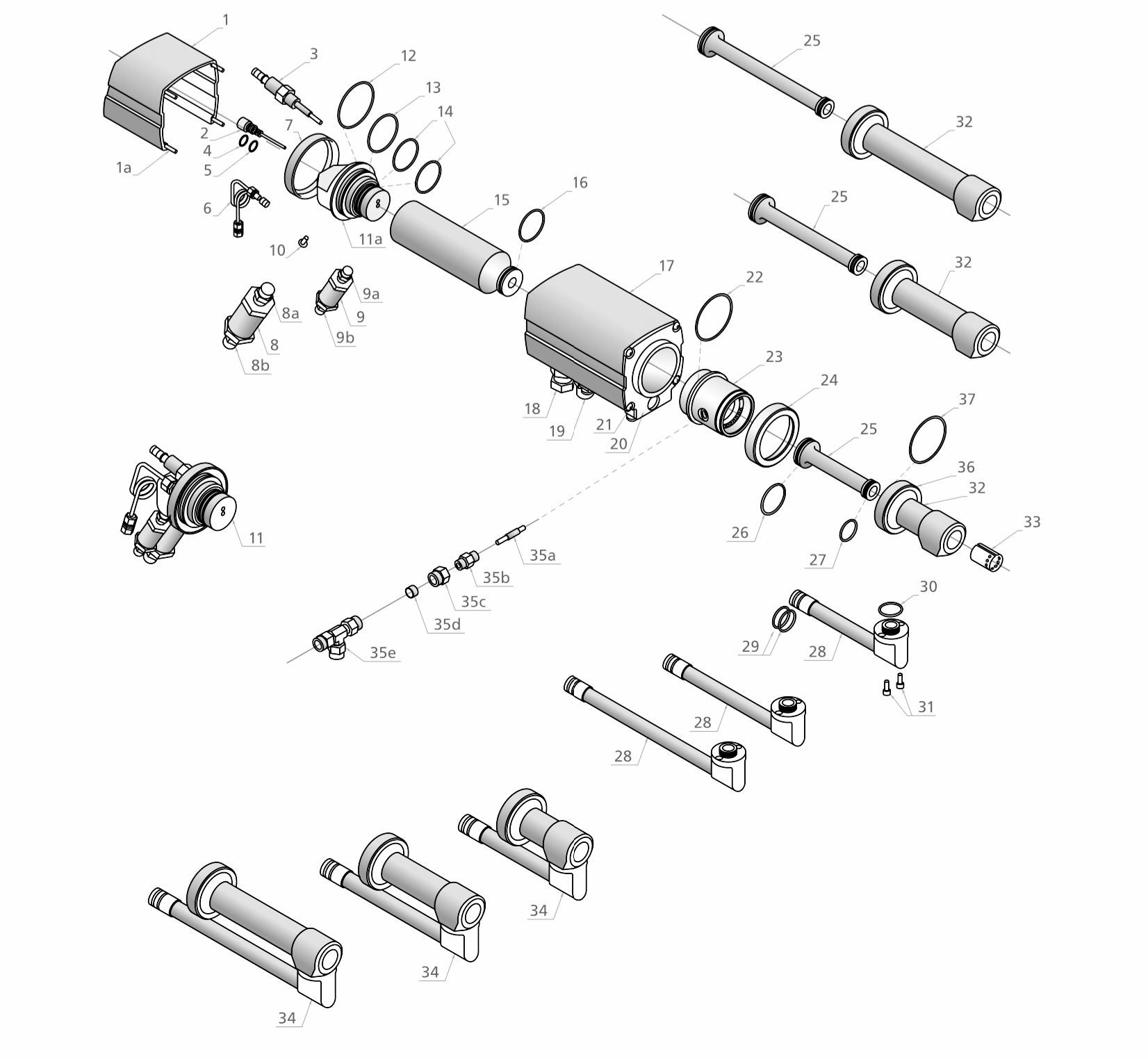
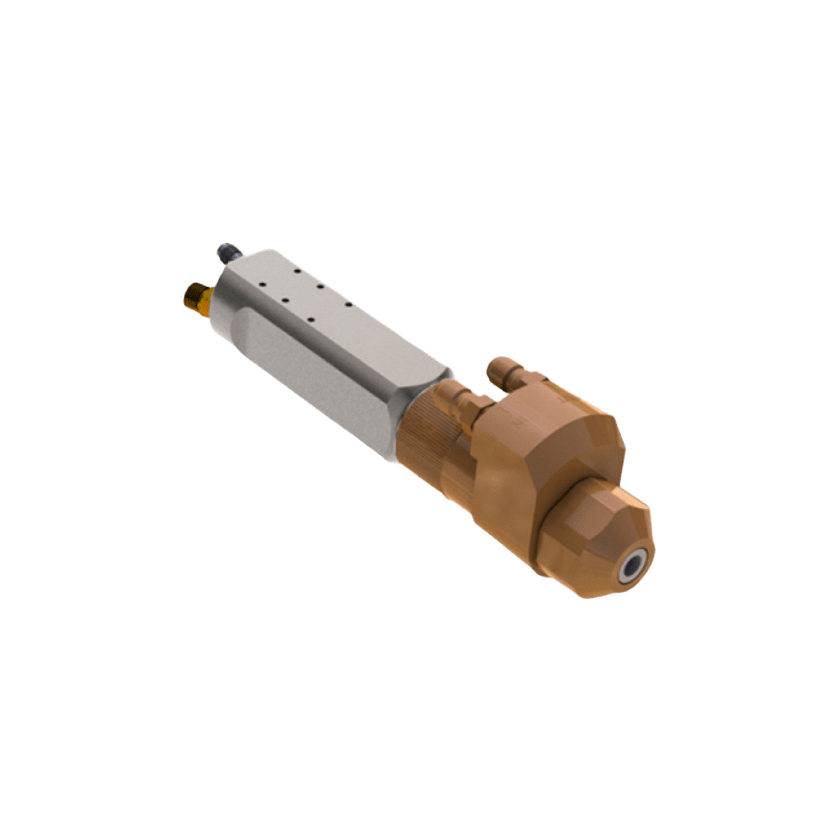
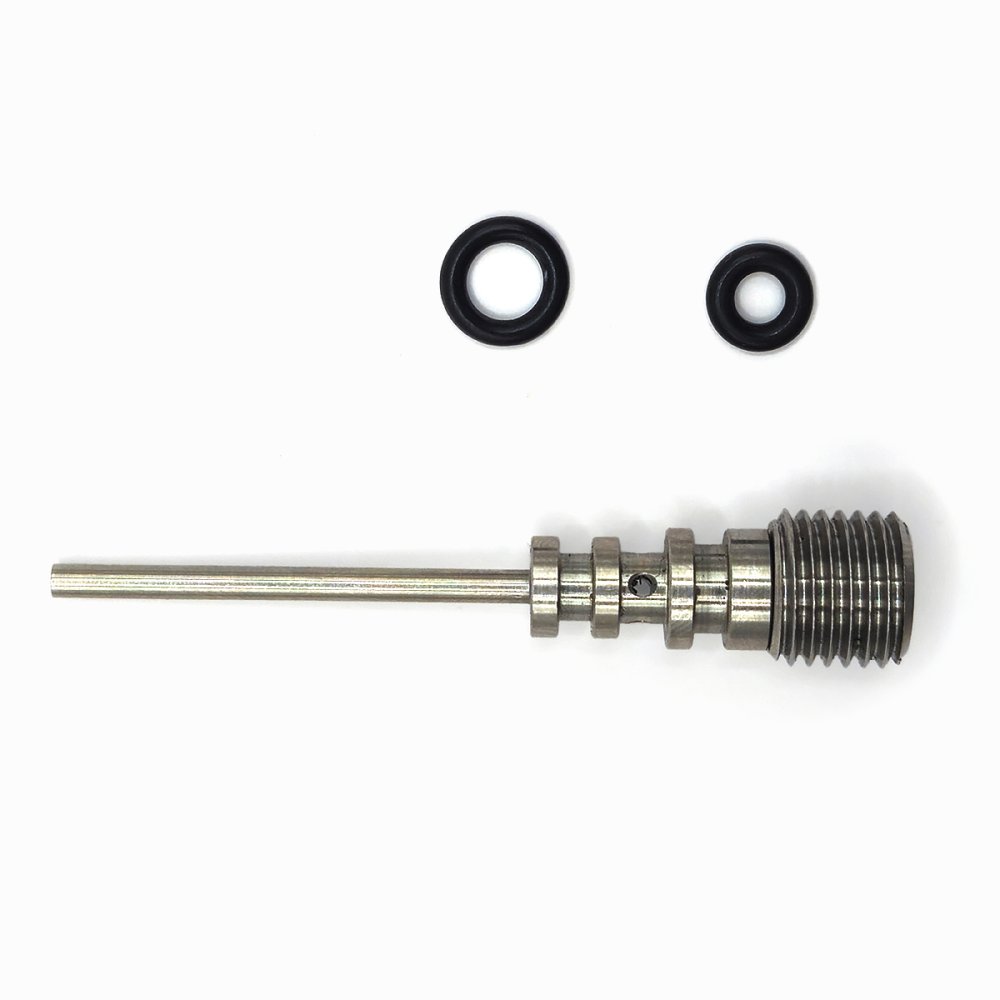
Plasma spray systems are industrial thermal spray equipment used to apply functional and protective coatings to parts exposed to wear, high temperature, corrosion and demanding service conditions. The process uses a plasma stream to heat powder material and accelerate particles toward a prepared surface, where they form a coating through controlled deposition.
GST supplies plasma spray equipment for atmospheric and vacuum operation. The configuration is selected according to the feedstock, surface requirements, production environment and required level of process control. Solutions can be arranged for manual, mechanized or automated applications and integrated into complete thermal spray production cells.
How plasma spraying works
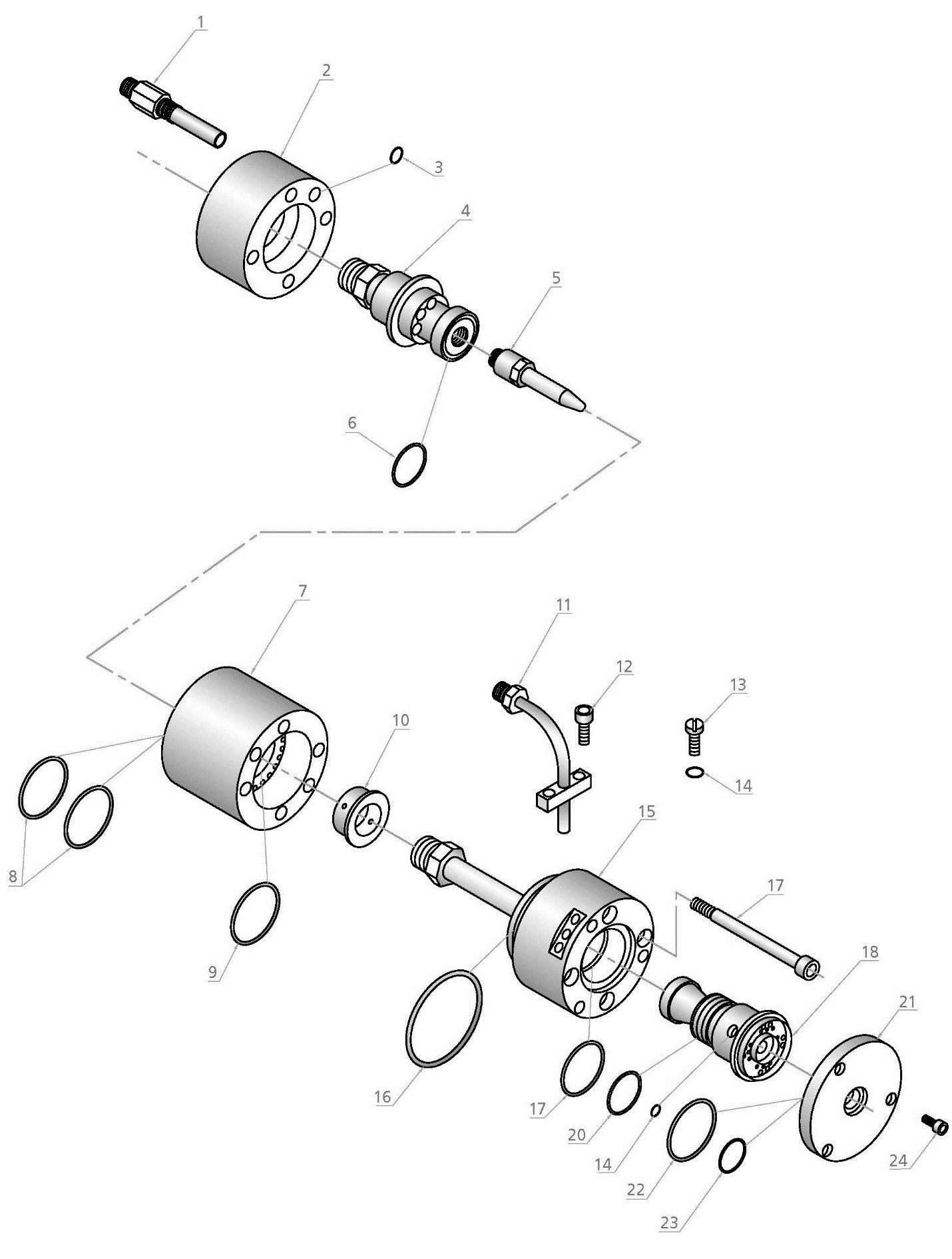
An electric arc is generated inside the plasma spray gun between the electrode and nozzle. A plasma-forming gas, such as argon, nitrogen or an argon-based mixture, passes through the electric arc zone and forms a high-temperature plasma jet. Stable gas flow and electrical parameters help maintain a repeatable process.
Powder is introduced into the plasma stream by a carrier gas. The particles are heated and accelerated to high velocity in the plasma jet before reaching the component surface. Gas composition, pressure, powder feed rate, spraying distance and other process parameters are controlled to provide stable deposition with different feedstock types.
Atmospheric and vacuum systems
Atmospheric plasma spray (APS)
Atmospheric plasma spray (APS) is performed in ambient atmosphere and is used for ceramic, metallic and composite coatings. Atmospheric plasma systems suit many thermal spray processes where controlled particle heating, acceleration and consistent layer build-up are required without a vacuum chamber.
Vacuum plasma spray (VPS)
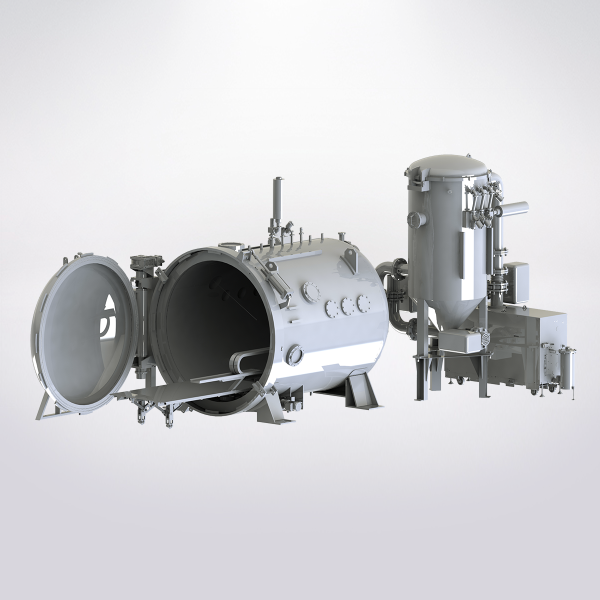
Vacuum plasma spray (VPS) is performed at reduced pressure in a controlled chamber. This limits interaction between the heated particles and the surrounding atmosphere and is selected when high purity, oxidation control or specific metallurgical requirements are important. The choice between APS and VPS depends on the material, application and required coating properties.
What a complete system includes
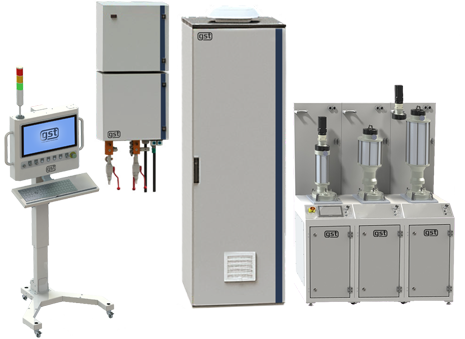
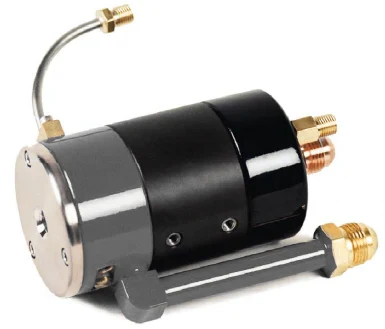
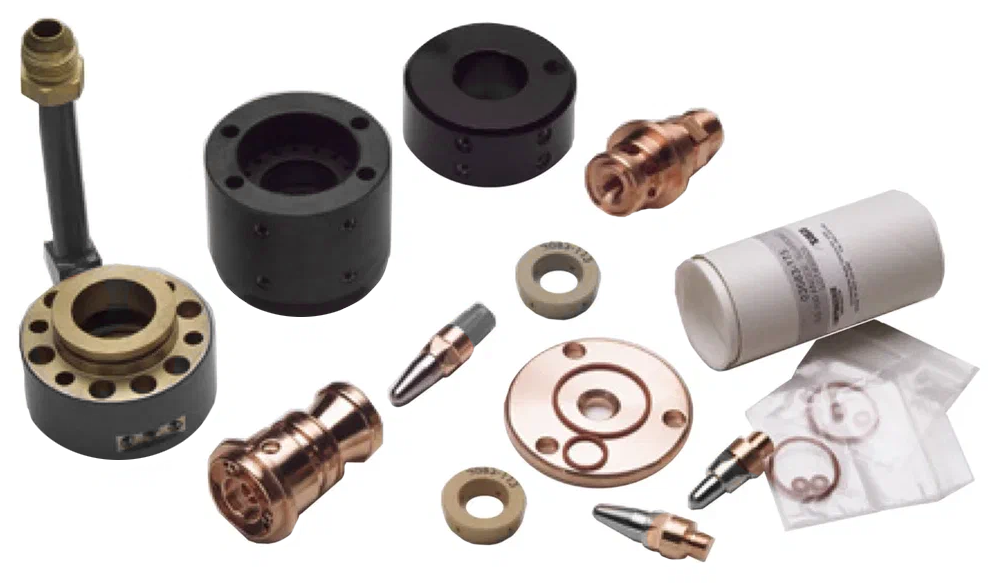
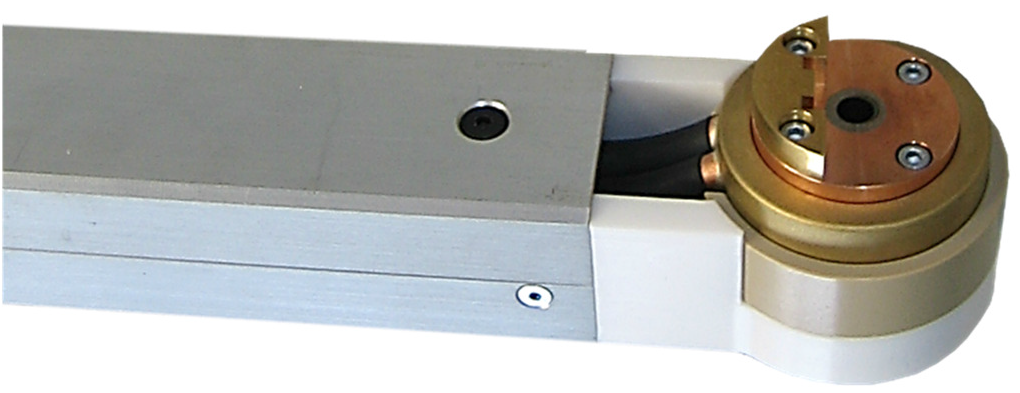
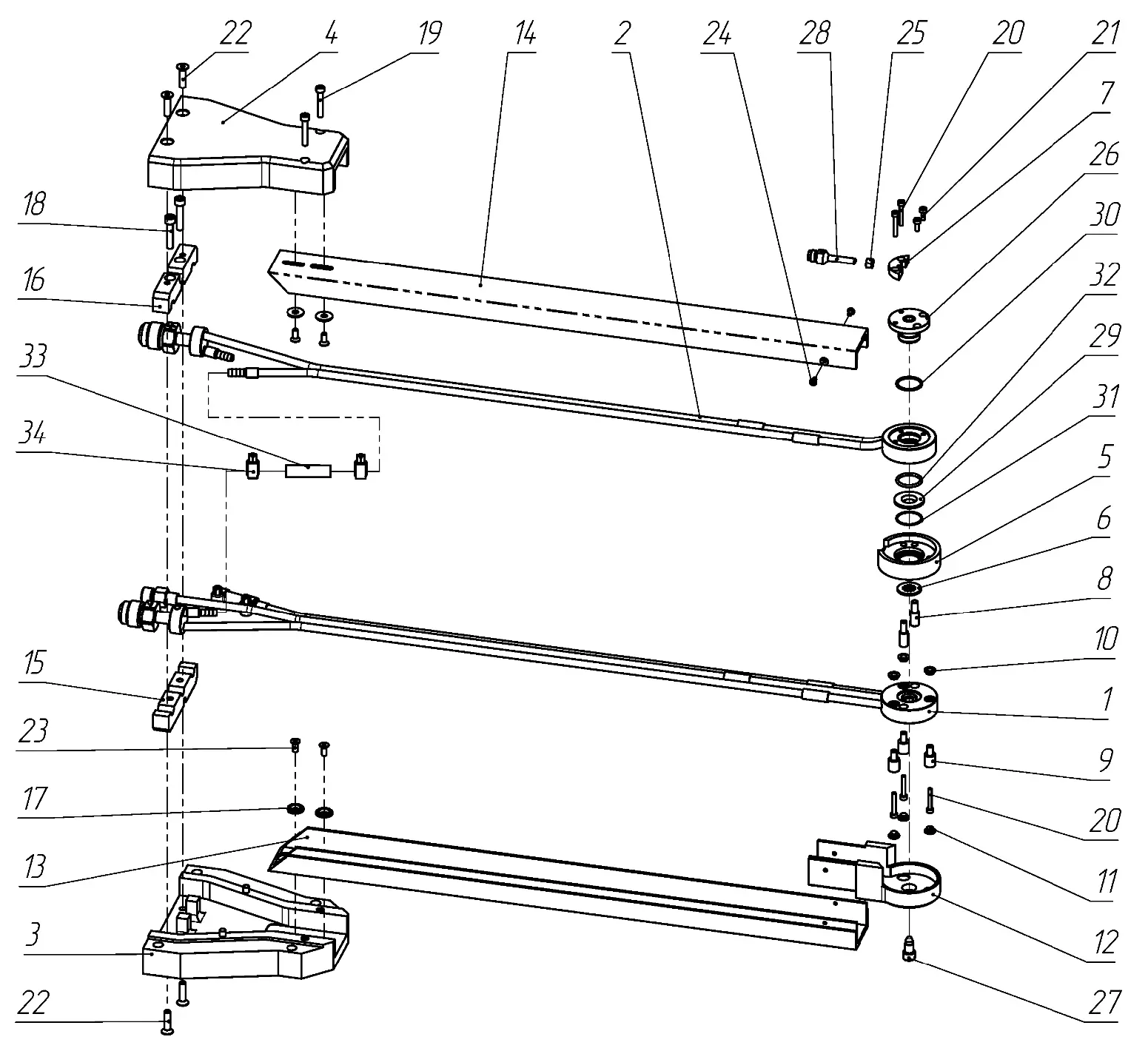
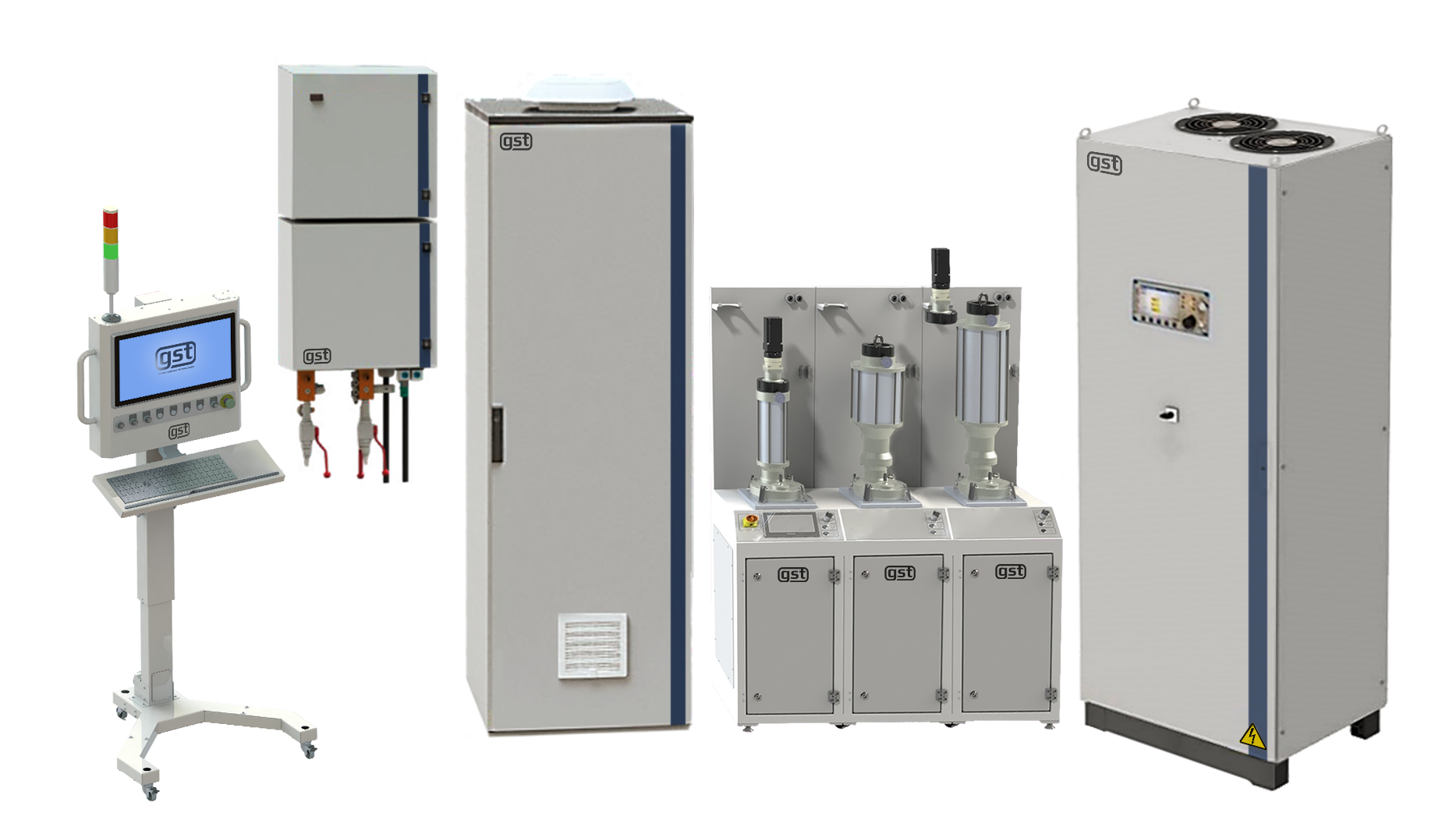
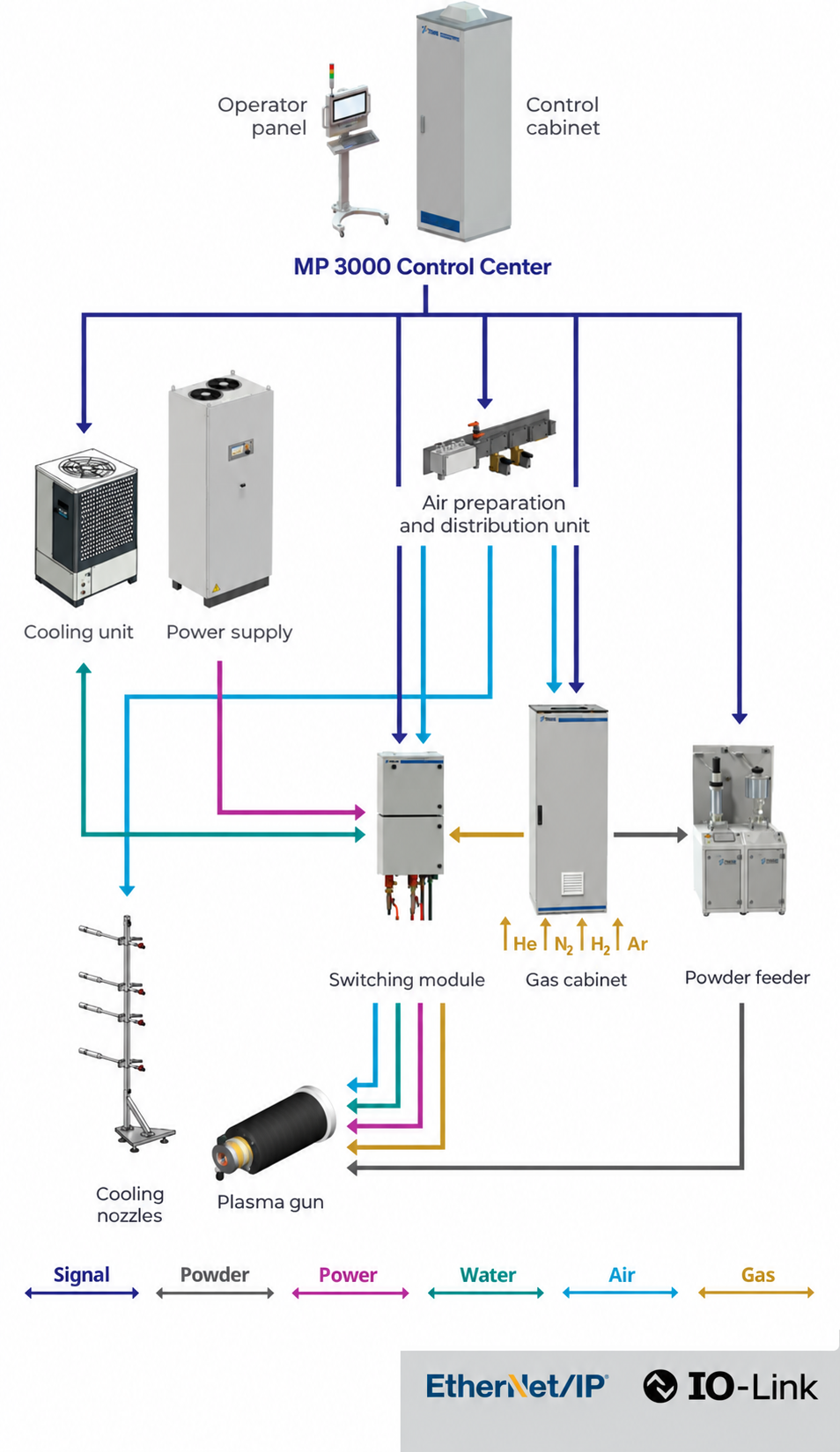
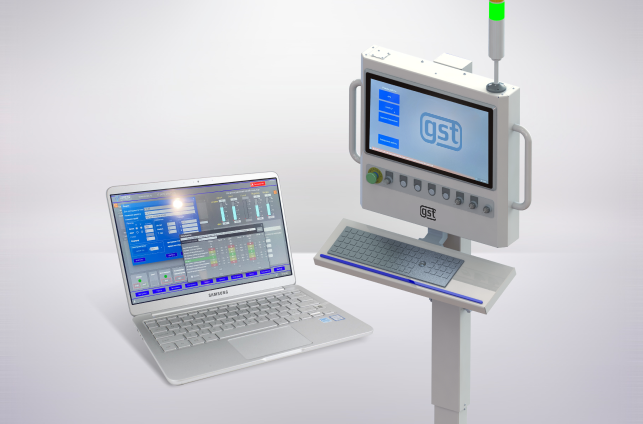
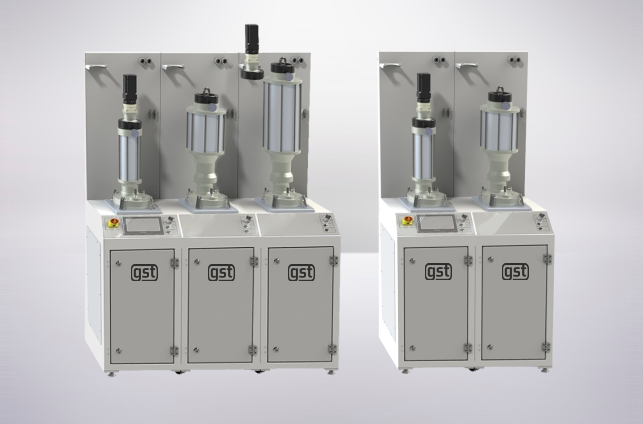
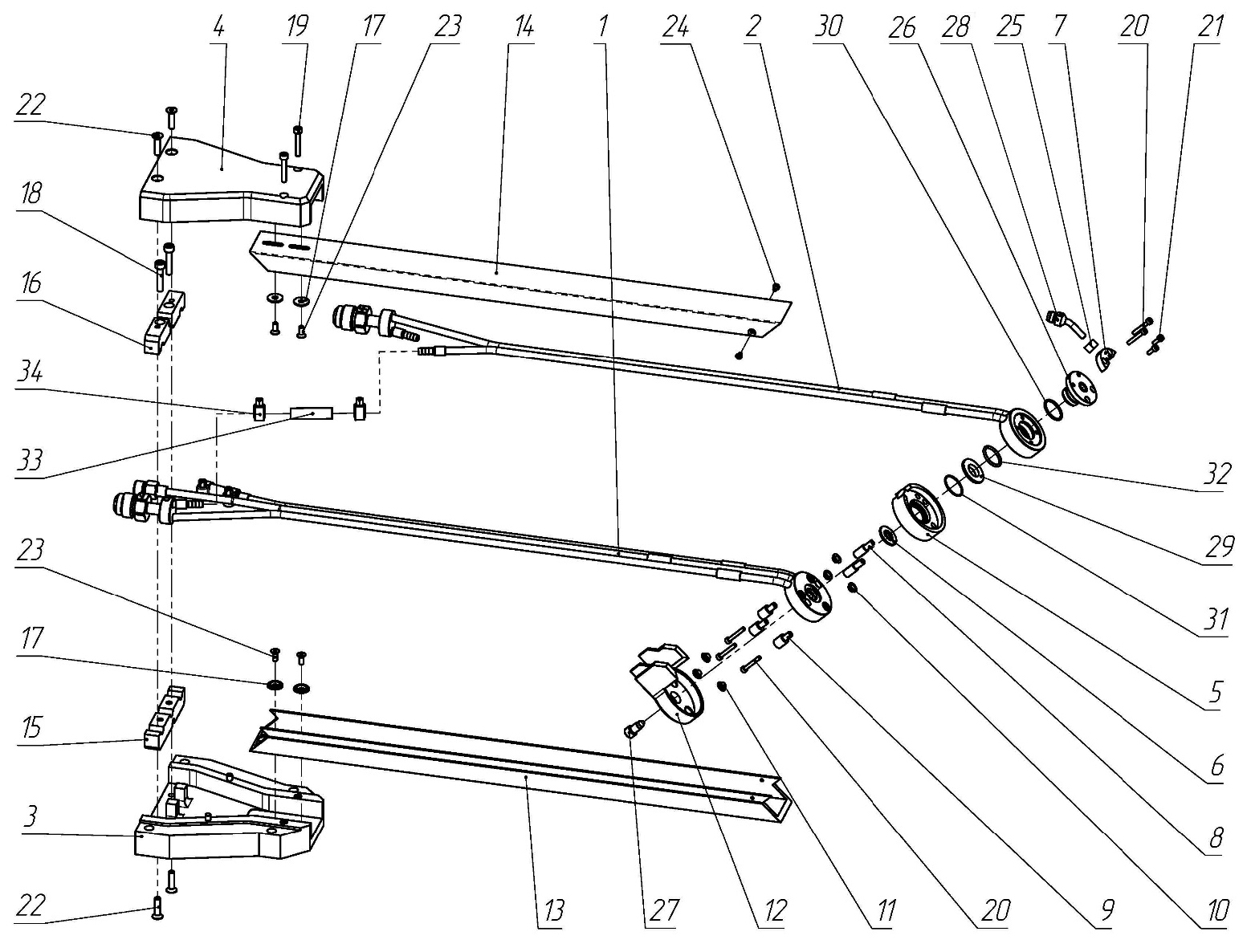
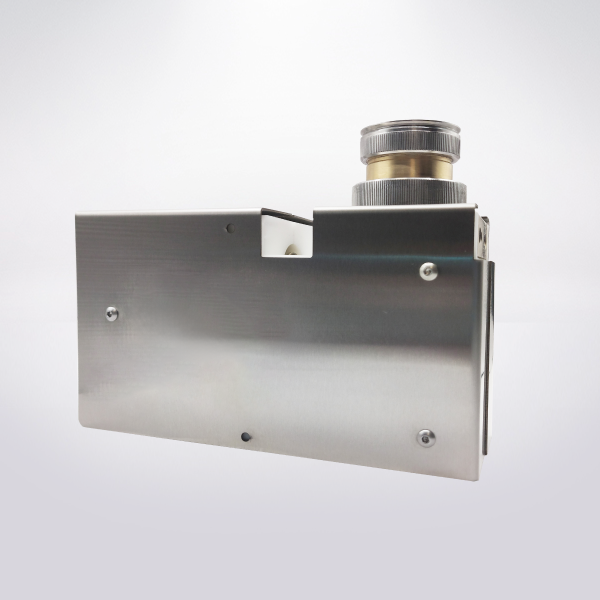
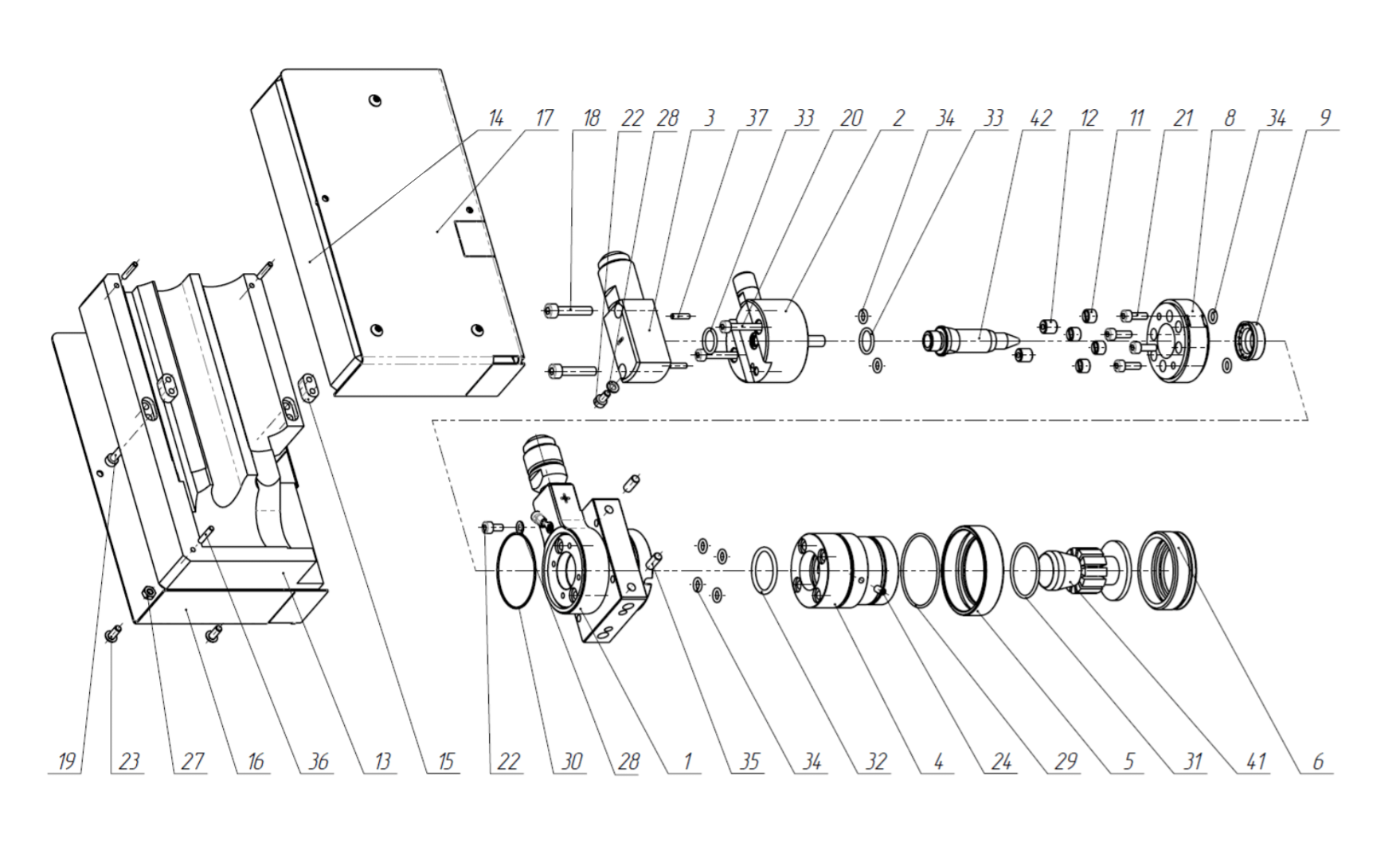
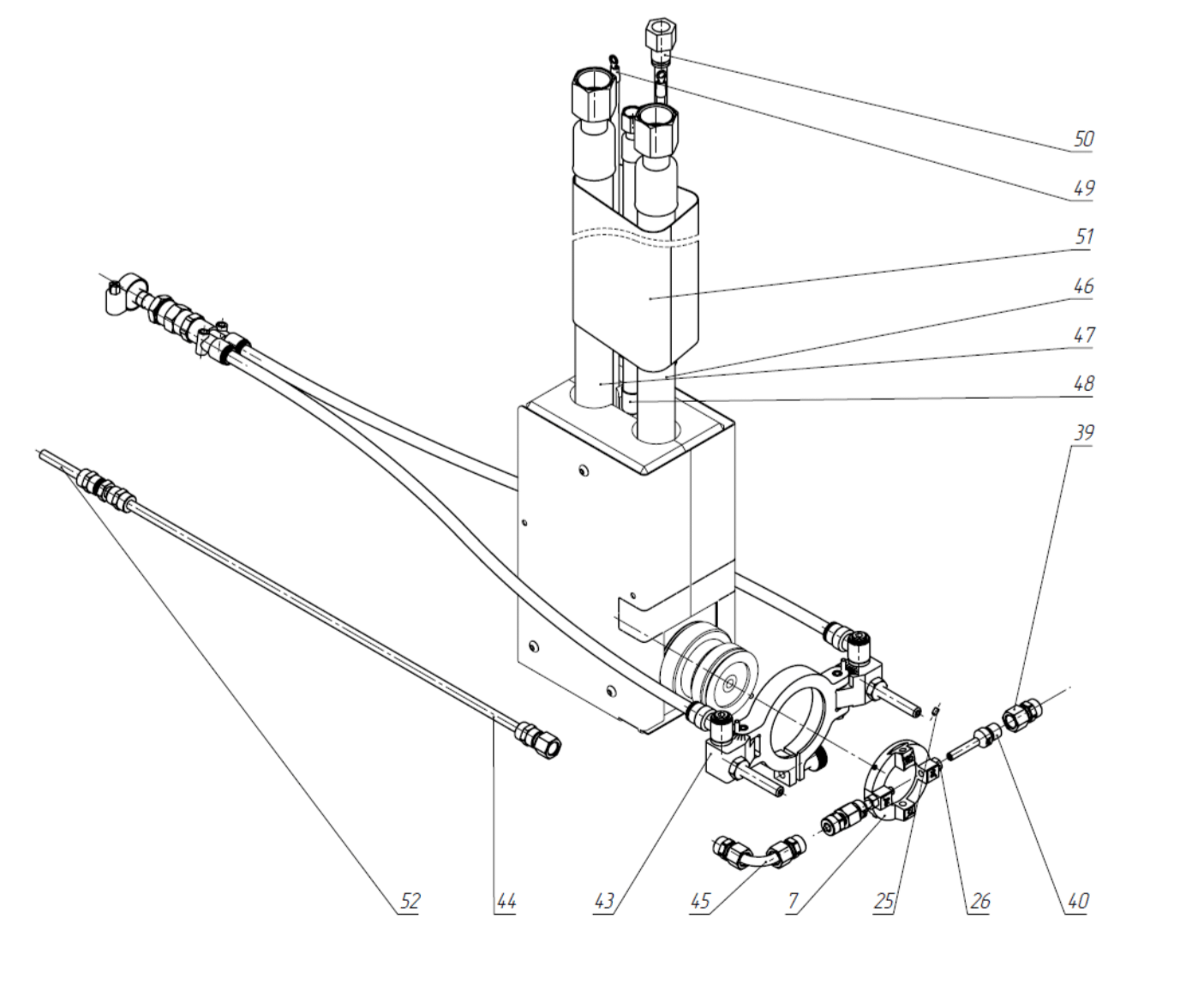
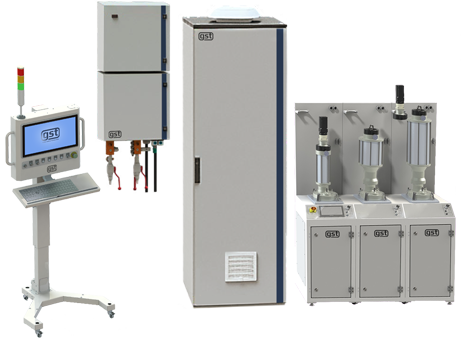
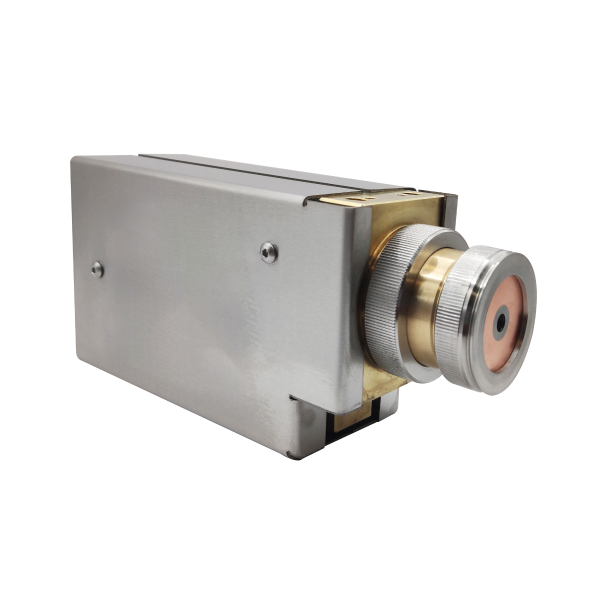
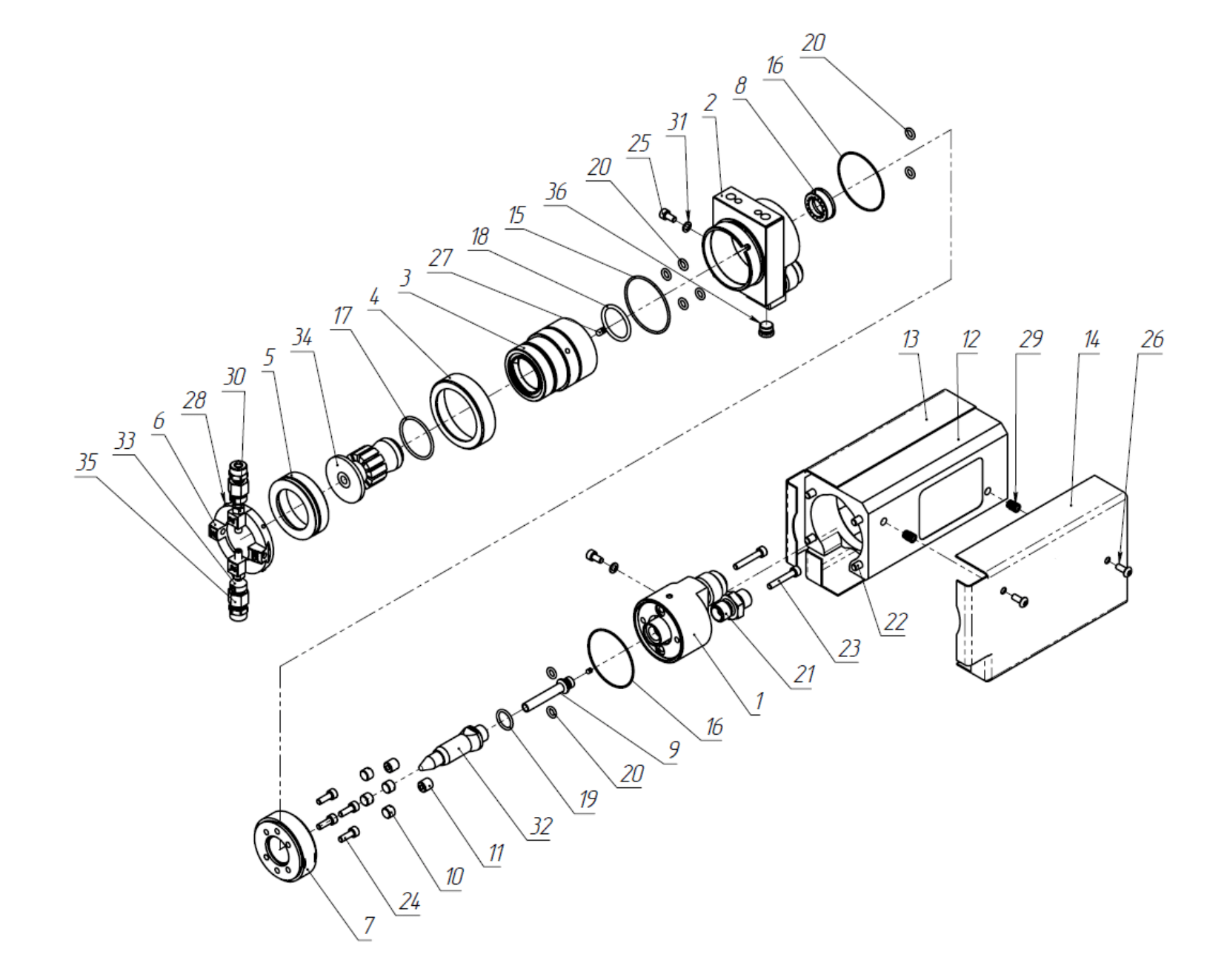
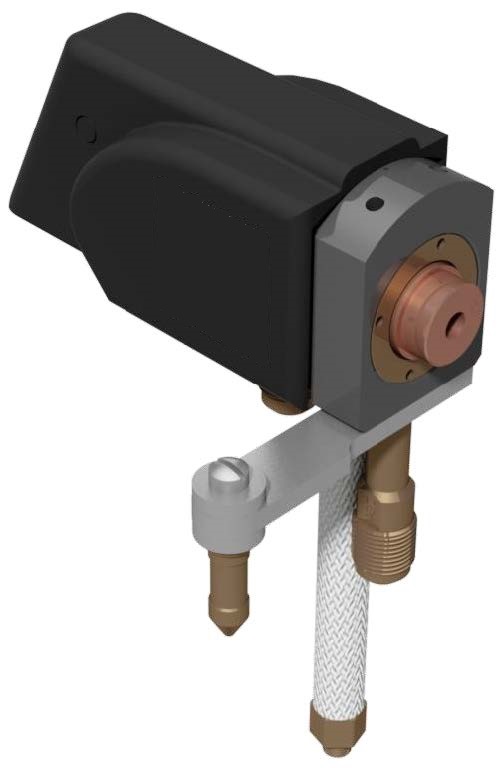
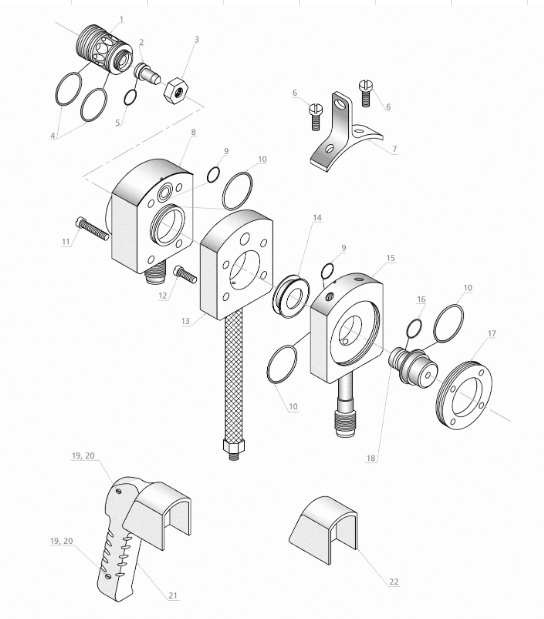
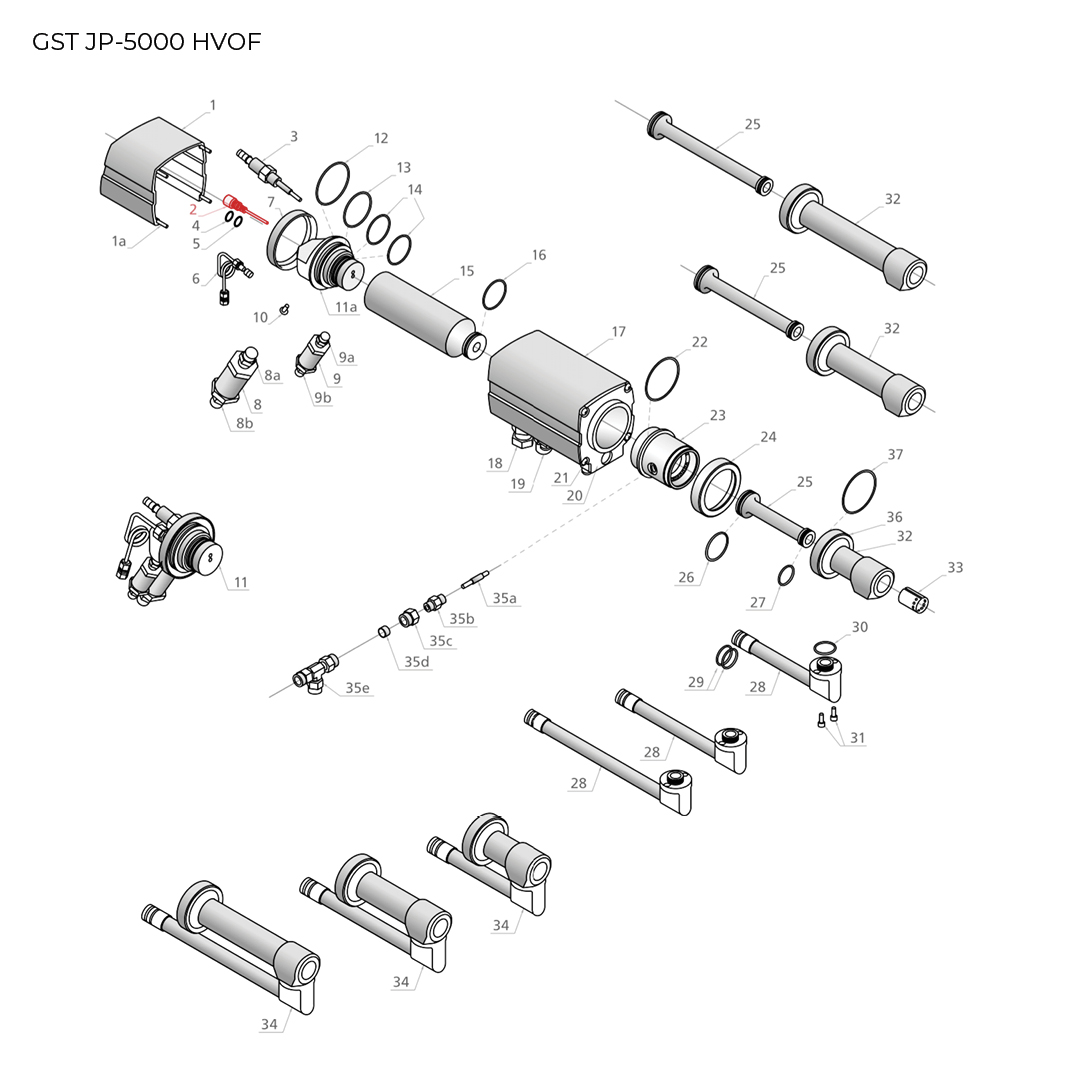
A complete plasma spray equipment package can include the spray gun, power supply, process control cabinet, gas panel, powder feeder and cooling unit. The gas supply section controls argon, secondary gas and carrier gas, while the control system coordinates electric parameters, powder delivery and operating sequences. Gun selection defines the available power level and the powder feed arrangement.
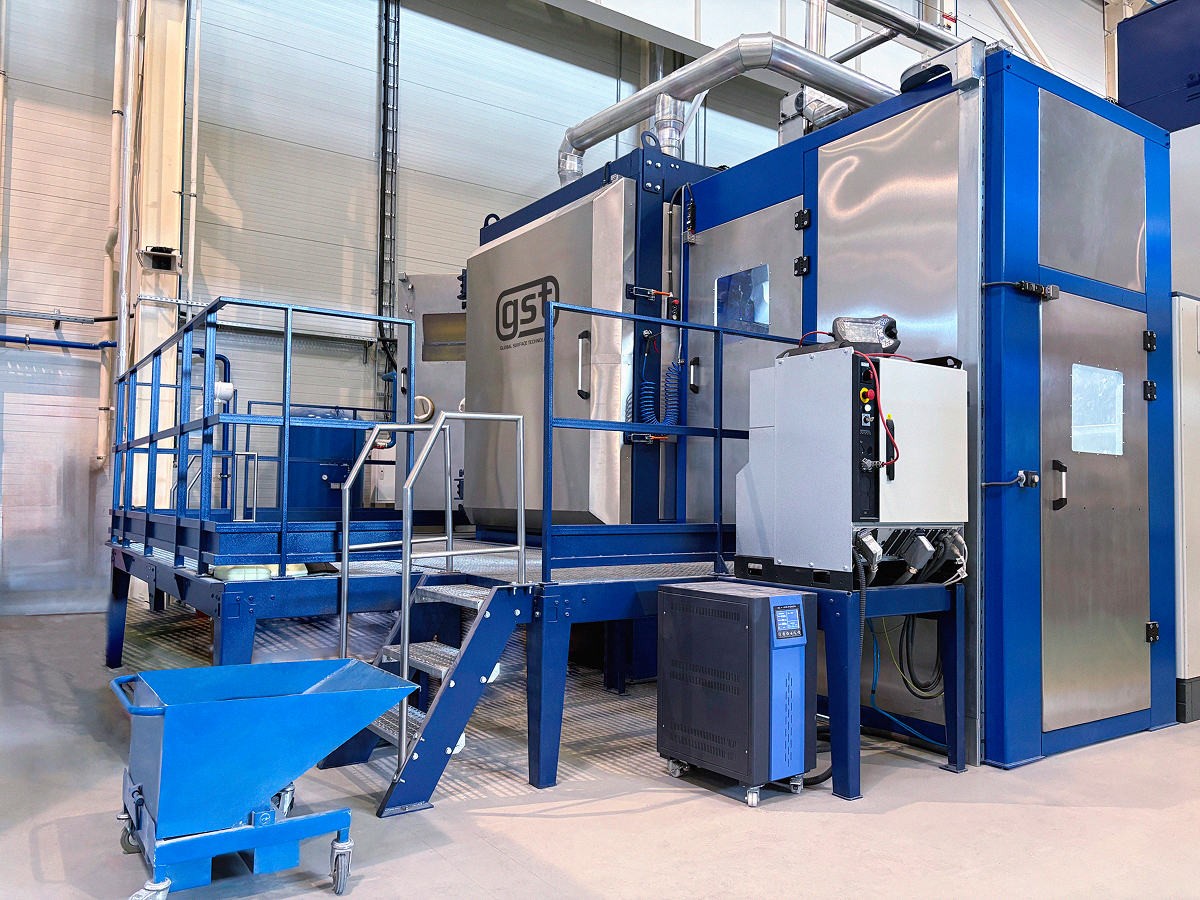
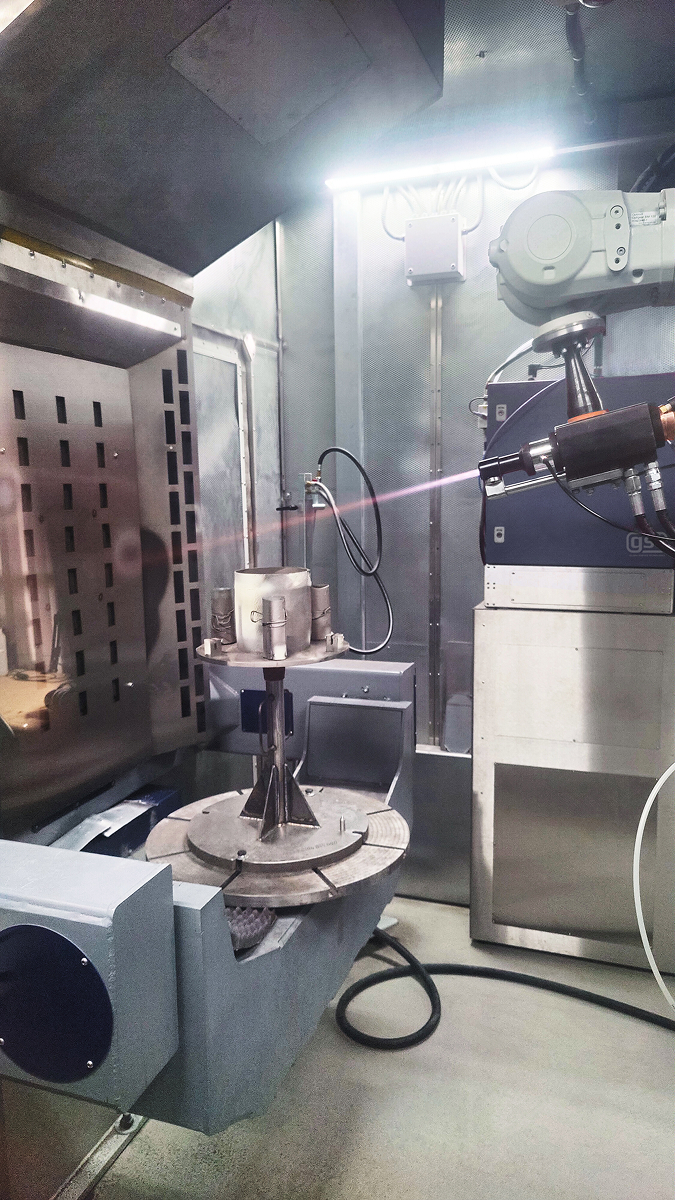
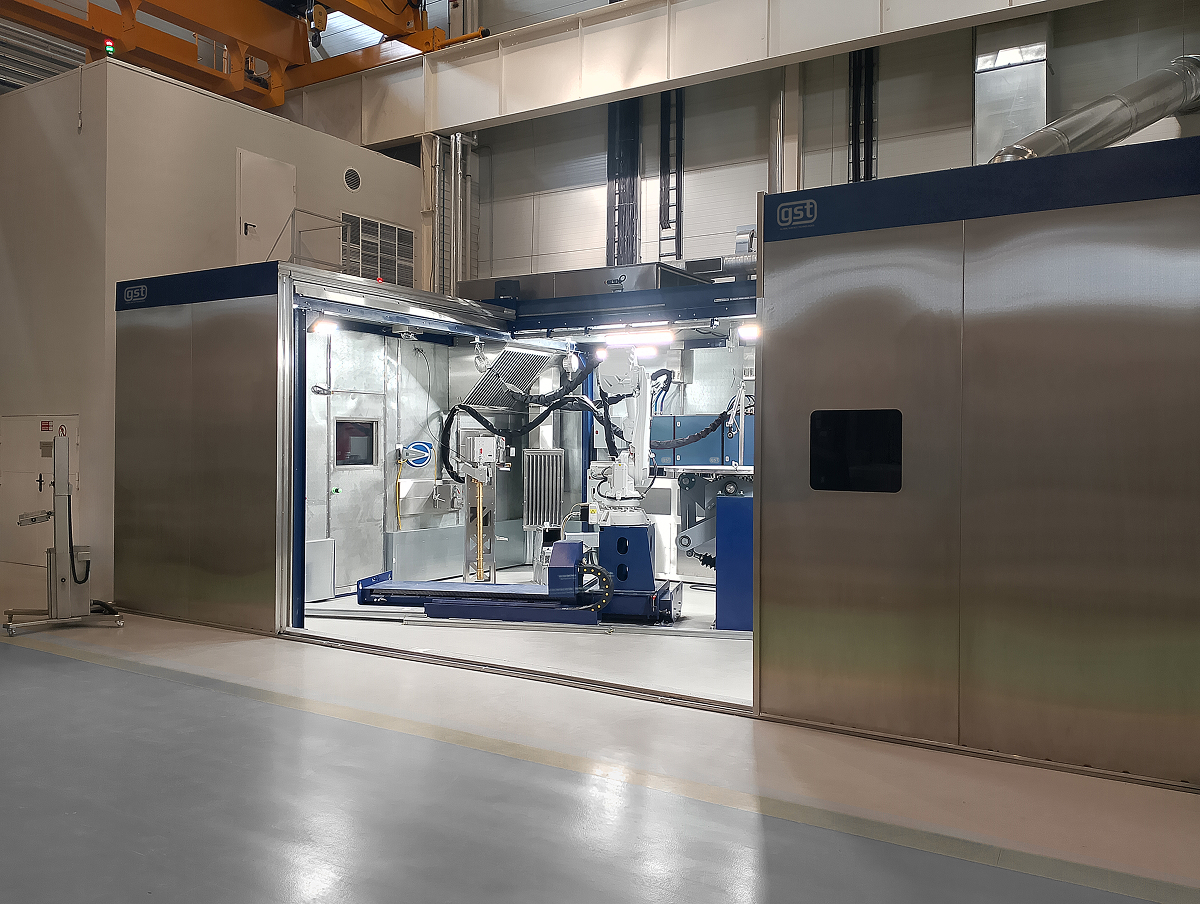
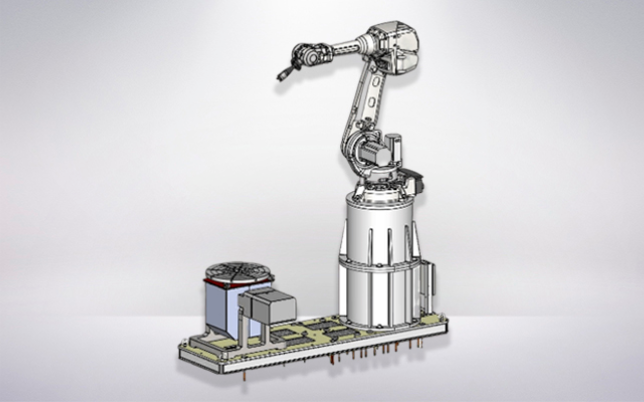
Atmospheric plasma spray equipment can be configured as a mobile system or as a fully robotic coating cell. Automated APS systems are particularly suitable for applications requiring repeatable gun trajectories, controlled spray distance and stable process parameters.
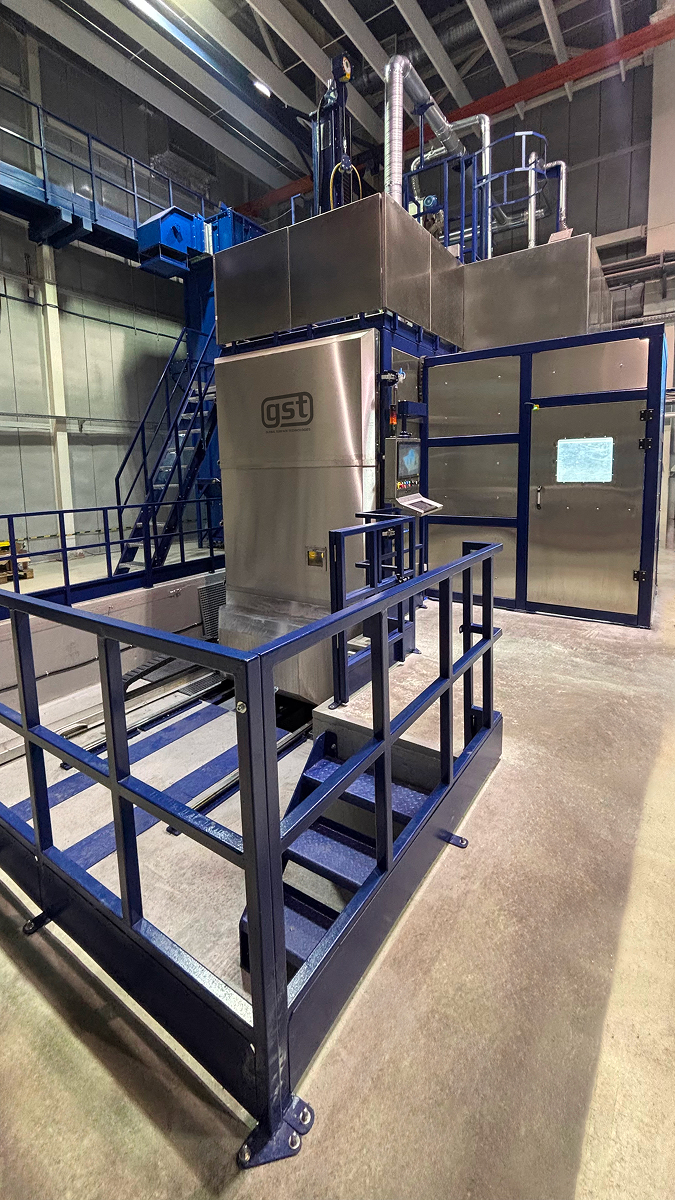
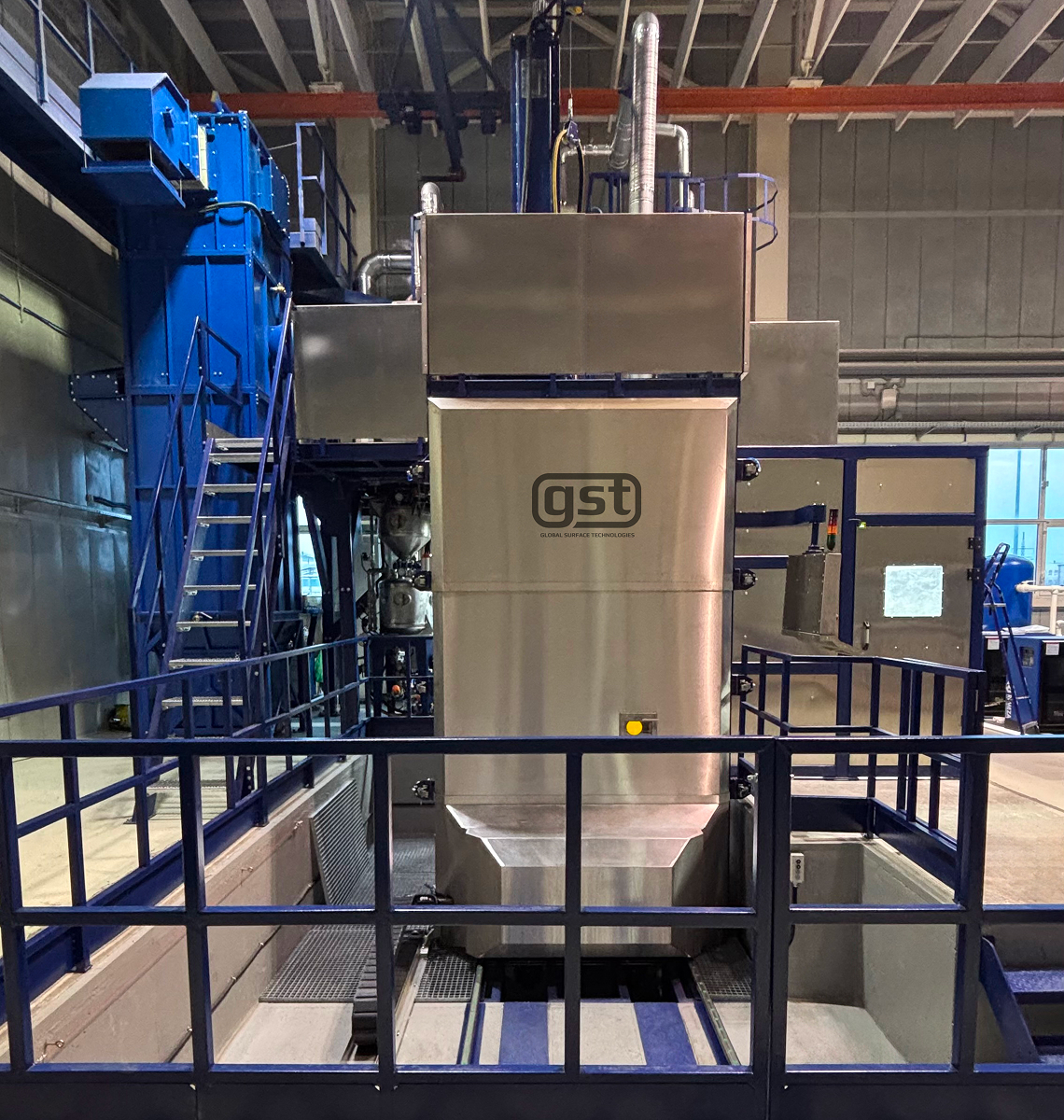
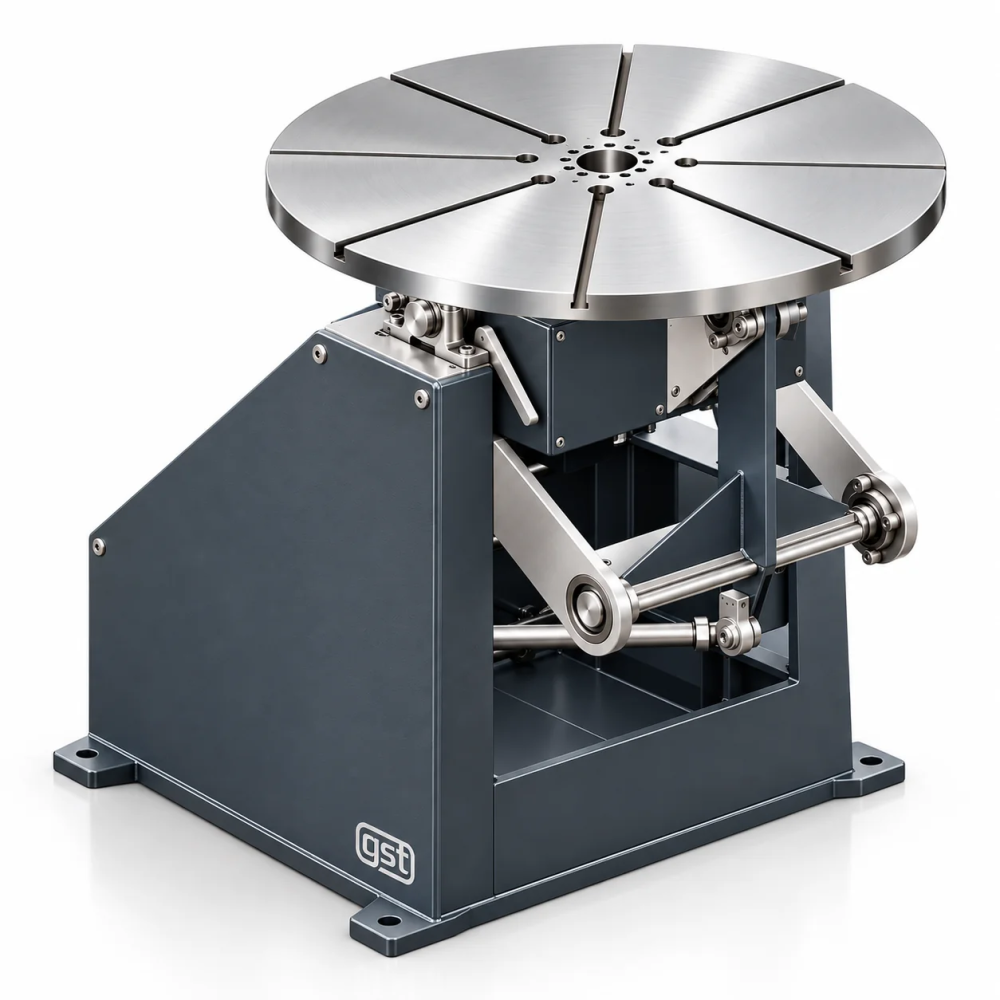
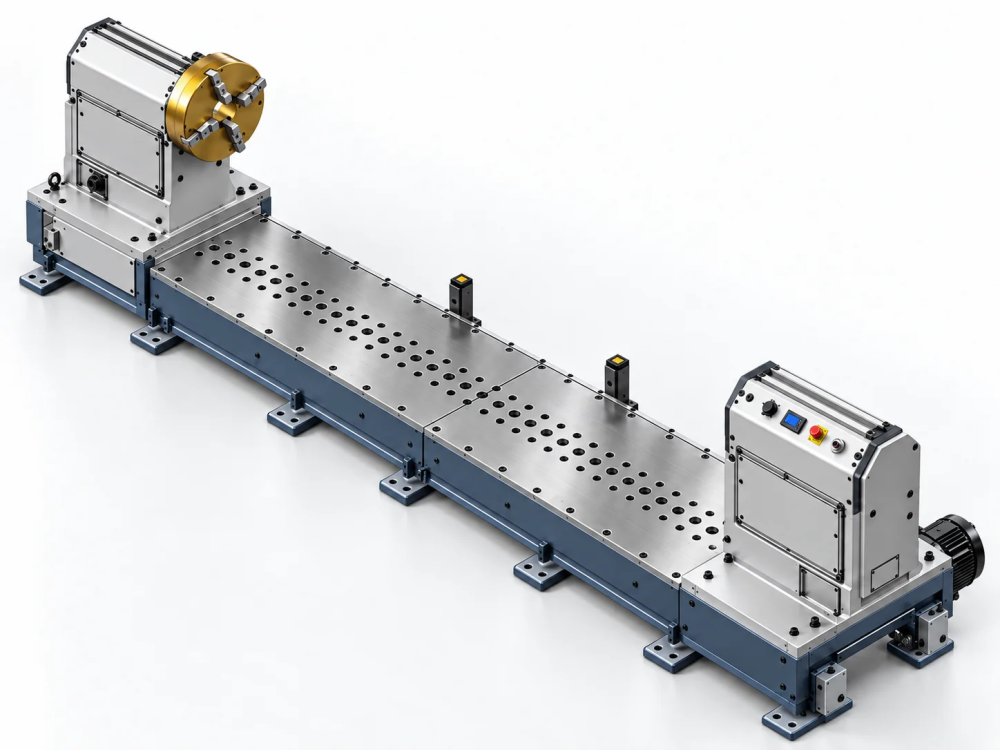
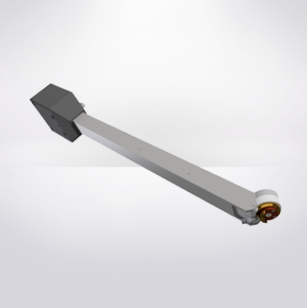
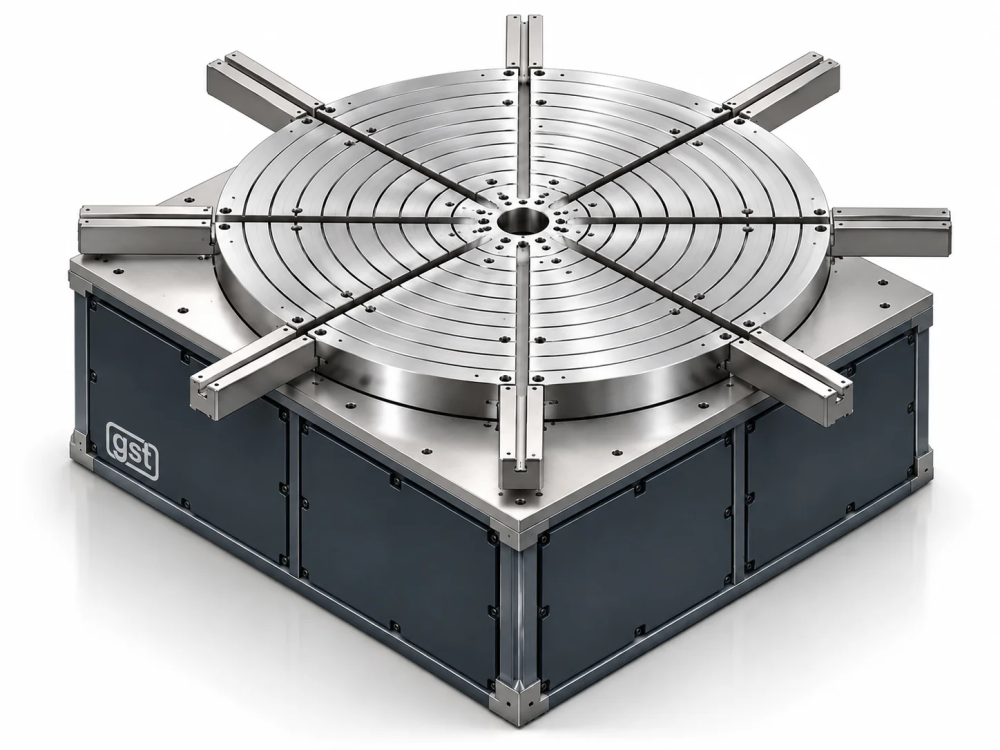
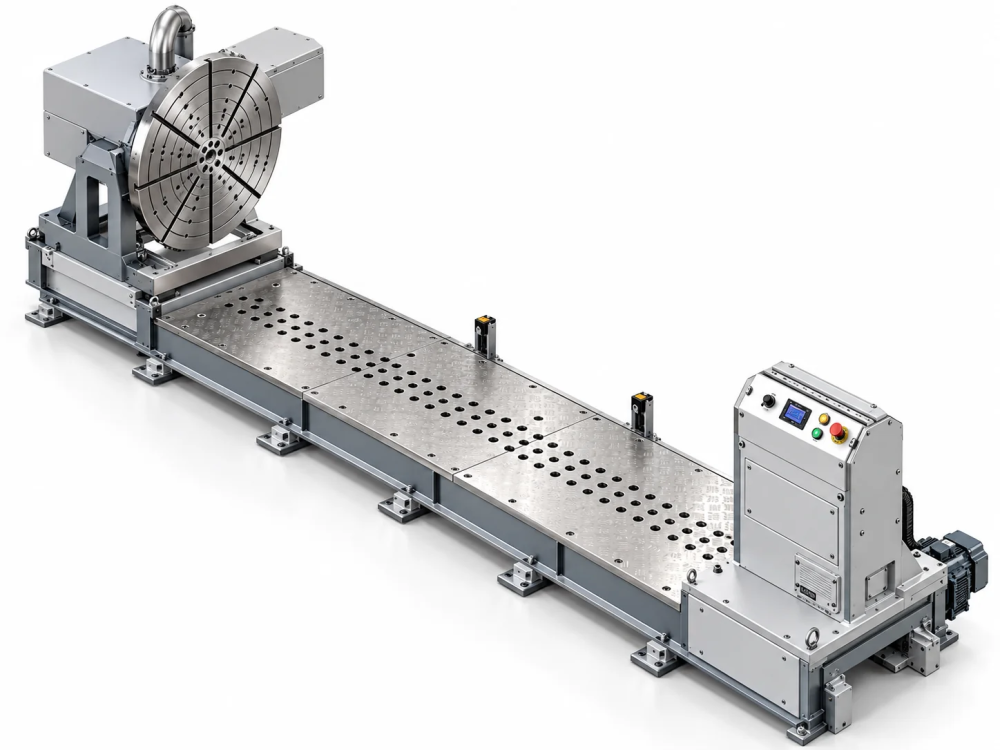
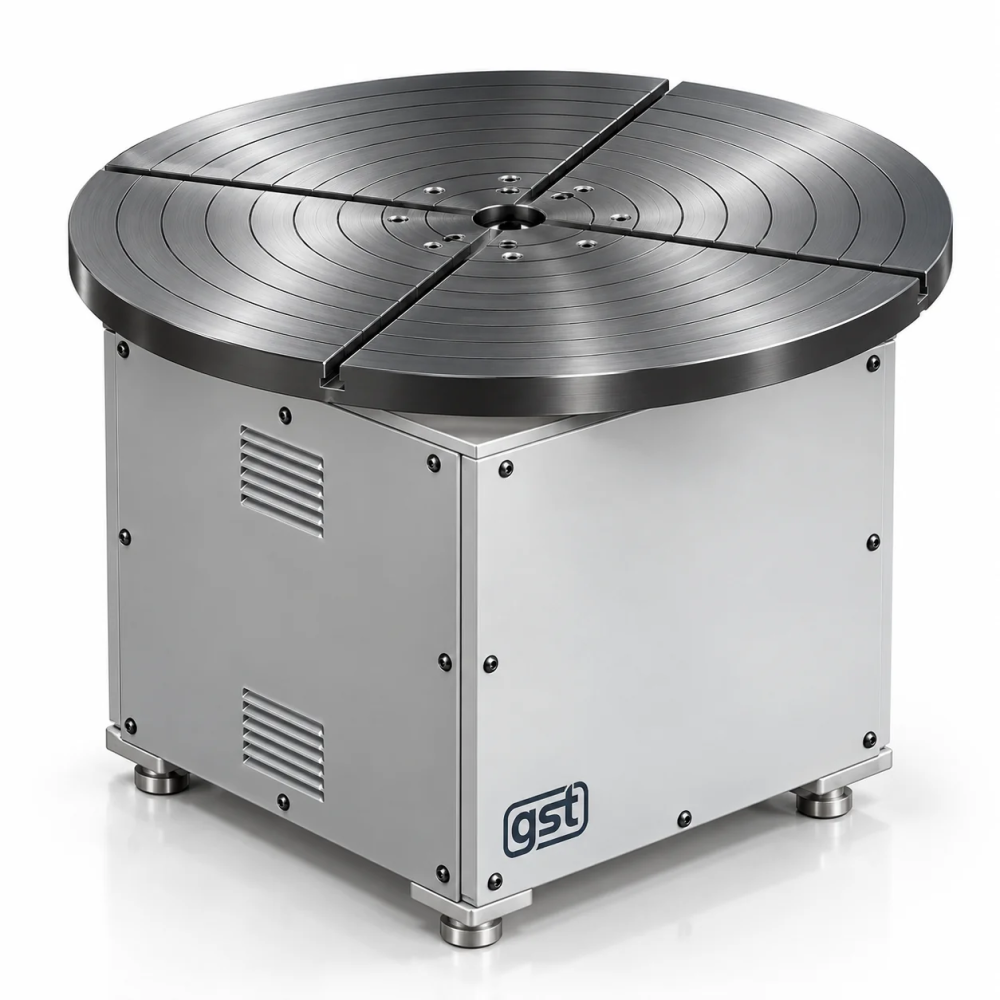
Depending on the application, the installation can also include a robot or manipulator carrying the gun, a workpiece positioner, spray booth, acoustic enclosure, filtration and ventilation, and safety interlocks. Peripheral units are selected so that motion, gas supply, powder delivery and particle deposition operate as one coordinated process.
Materials and applications
The process can be used with ceramics, oxides, carbides and metallic alloys. Typical applications include wear-resistant coatings, corrosion protection, electrical insulation, dimensional restoration and functional surface modification for industrial components under thermal or mechanical loads.
Thermal barrier coating applications are an important area of plasma spraying. Ceramic layers can provide thermal protection for components exposed to elevated temperature, while metallic alloys may be applied as bond coats or functional layers according to the required layer architecture.
Delivery, commissioning and support
GST provides plasma spray equipment configuration, integration, commissioning and operator training. Service and support can include installation assistance, process start-up, maintenance guidance and selection of peripheral units for new or existing plasma spray production lines.