

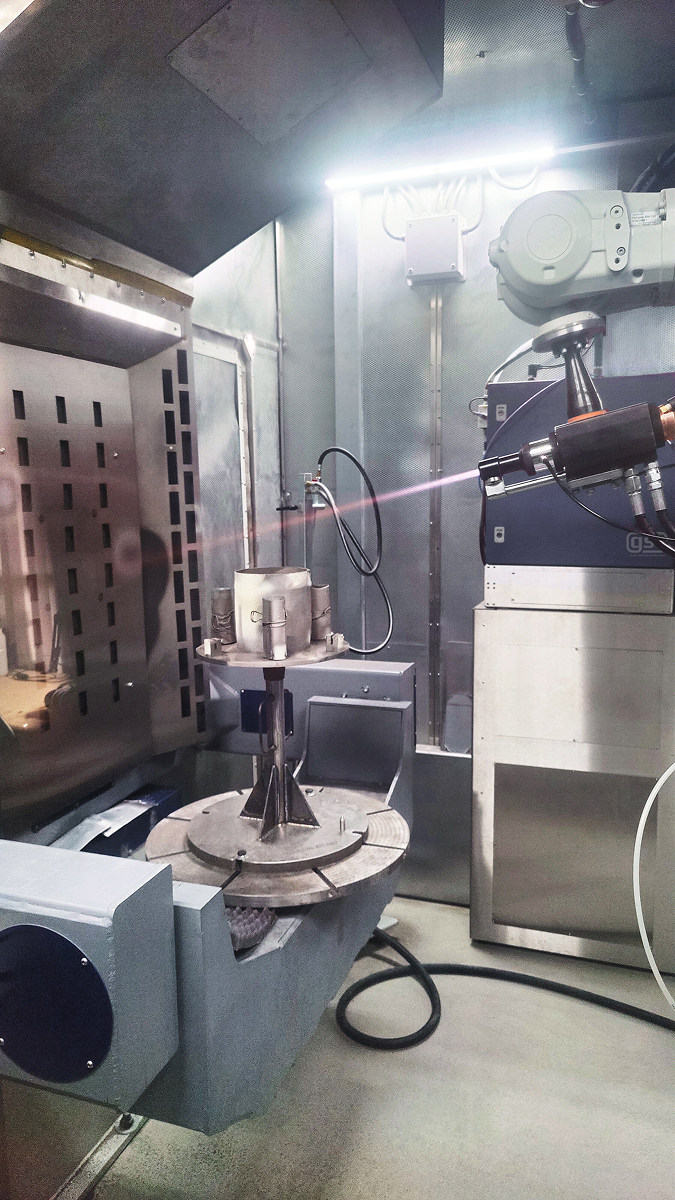
Flame spray systems are industrial thermal spray equipment for applying powder feedstock with an oxygen-fuel flame. The process heats the feedstock and carries it toward a prepared surface to build protective, functional or repair coatings. GST supplies flame spray equipment for workshop, mechanized and automated coating application.
Compared with plasma spray systems, combustion heating produces lower thermal energy and a different particle condition. This makes the technique suitable for many metallic alloys, self-fluxing feedstocks and selected ceramics where flexible flame spray equipment, controlled heat input and economical surface restoration are required.
How Flame Spraying Works
During spraying, acetylene or propane is burned with oxygen to create the heat source. A material feeder meters feedstock into the spray gun, where particles are heated or melted and accelerated in the gas stream toward the substrate.
The spray process operates at a lower temperature than plasma spraying, which defines the practical feedstock range. Fuel and oxygen flow, feed rate, distance and gun movement are controlled so thermal spraying provides stable deposition and repeatable coating build-up.
Powder and Wire Flame Spraying
Powder and wire variants use the same combustion principle but different feedstock forms. The powder route accepts a broad range of alloys and ceramics, while flame wire spray melts continuously fed wire and atomizes the molten metal with compressed air. This route is preferred when suitable feedstock is available and a high deposition rate is required.
What a Complete System Includes
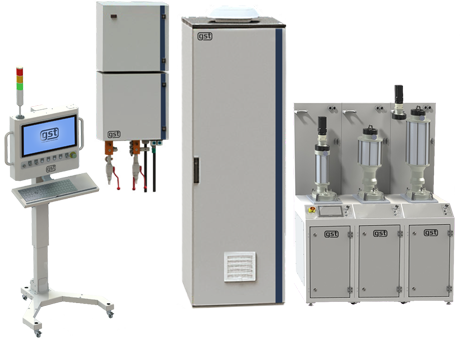
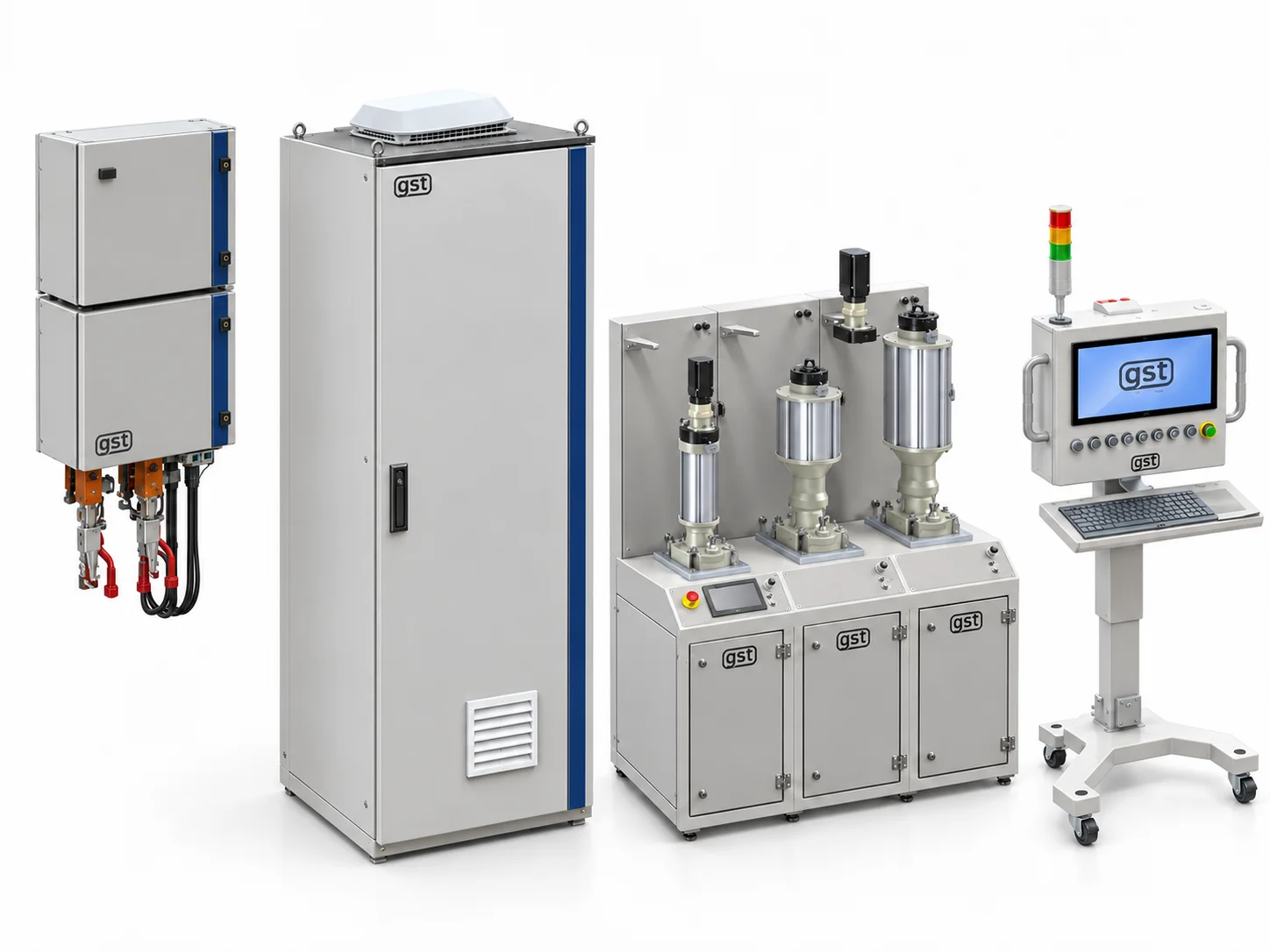
A complete spray system can include the flame spray gun, powder feeder, gas-control panel, compressed-air preparation, control functions and safety devices. These modules coordinate feedstock delivery, fuel and oxygen supply and operating sequences for repeatable thermal coating production.
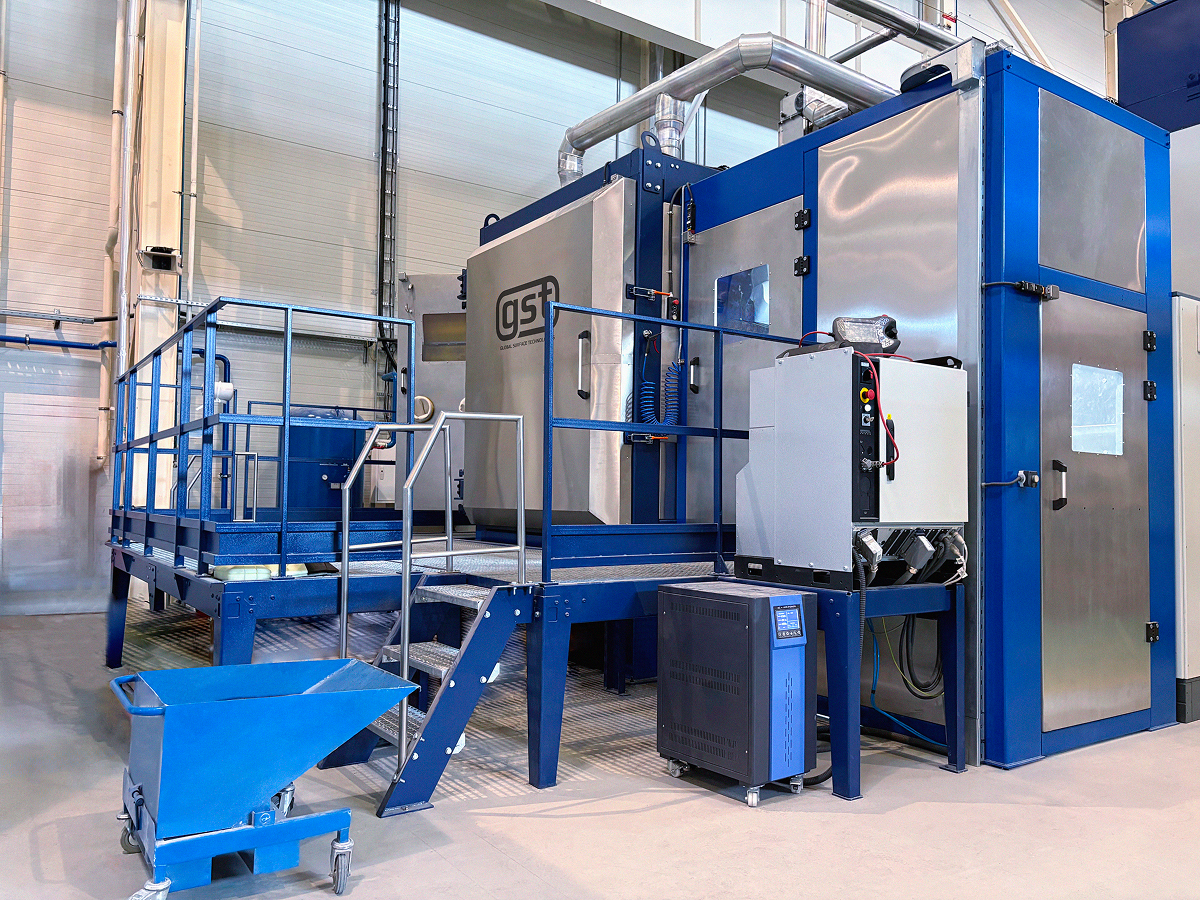
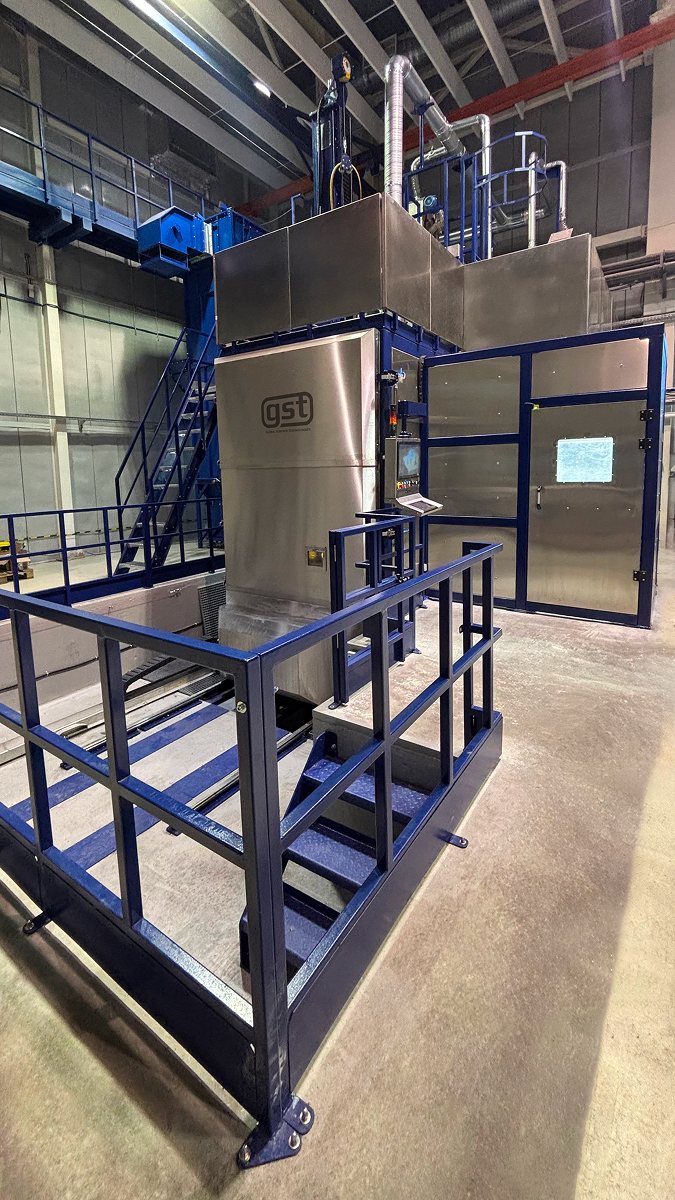
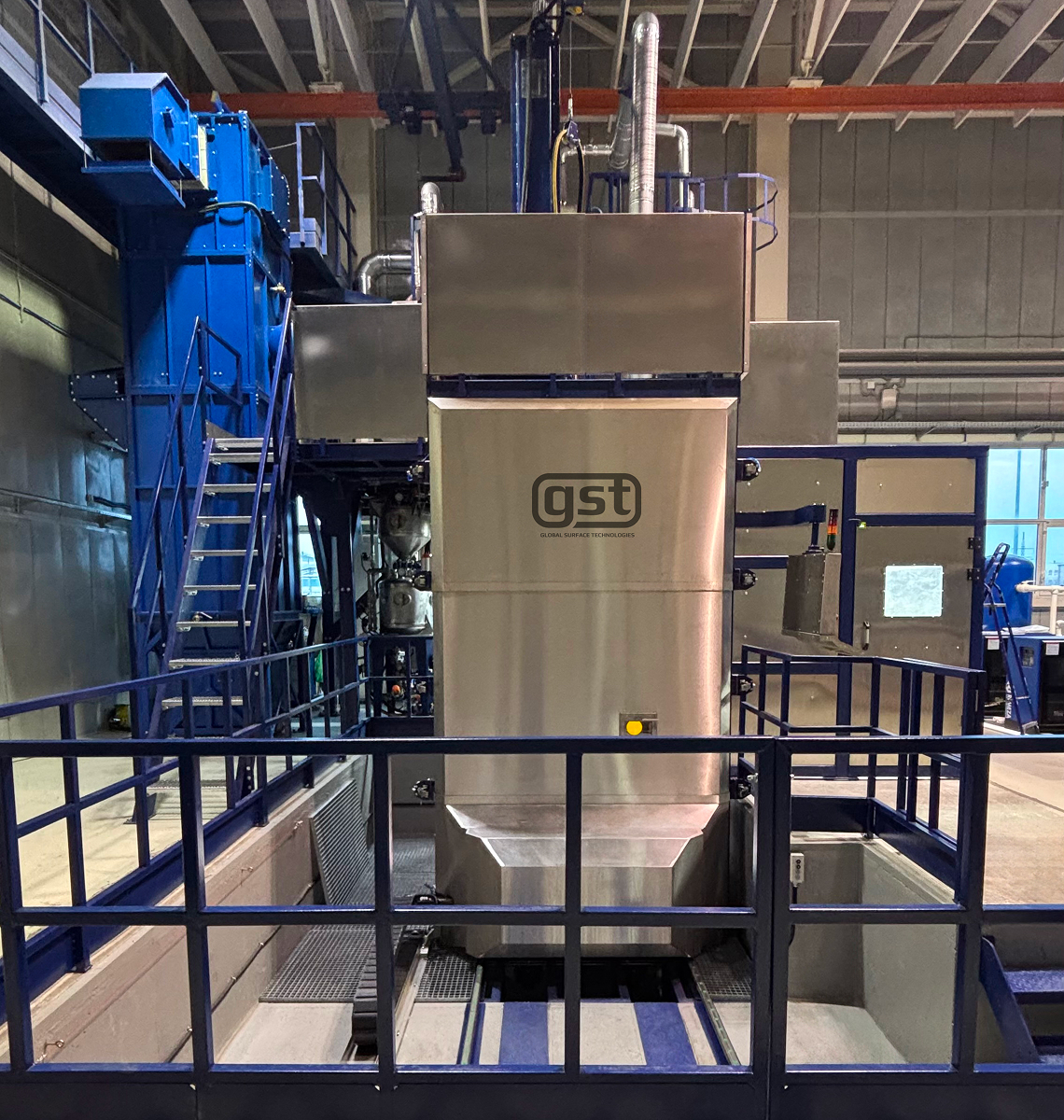
For mechanized production, the thermal spray system can also include a robot or gun manipulator, workpiece positioner, booth, extraction and filtration, and safety interlocks. The complete production system is selected for component geometry, coating specification, production rate and the required level of automation.
Coating Materials and Spray-and-Fuse
Suitable feedstocks include self-fluxing nickel- and cobalt-based alloys, bronze, stainless steel, zinc, selected ceramic and oxide powders, and other qualified materials. Selection depends on wear resistance, corrosion conditions, surface function and the finishing required after thermal spray coating deposition.
Self-fluxing alloy coatings may be followed by a spray-and-fuse operation. Controlled heating remelts the deposited coating so it flows and bonds more completely to the metal substrate, producing a denser thermal coating layer when the alloy and component are suitable for fusing.
Applications
Typical applications include dimensional restoration of shafts and bearing seats, wear-resistant coatings, repair of industrial parts, and wear and corrosion protection in workshops or at site. The equipment is useful where portable or automated surface repair is required without a plasma process.
Delivery and Support
GST provides system engineering, commissioning, operator training and service support. Supply can include start-up assistance, spare parts, maintenance guidance and selection of peripheral units for new or existing thermal spray installations.