

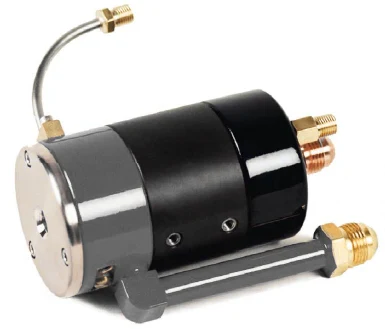
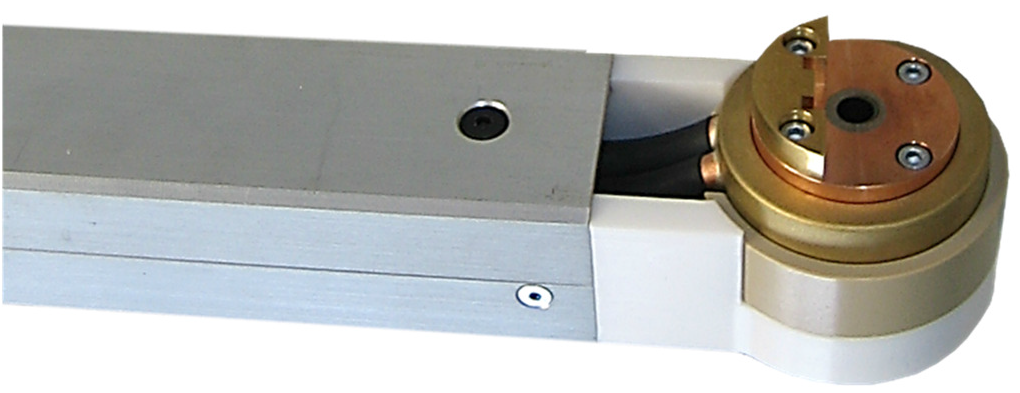
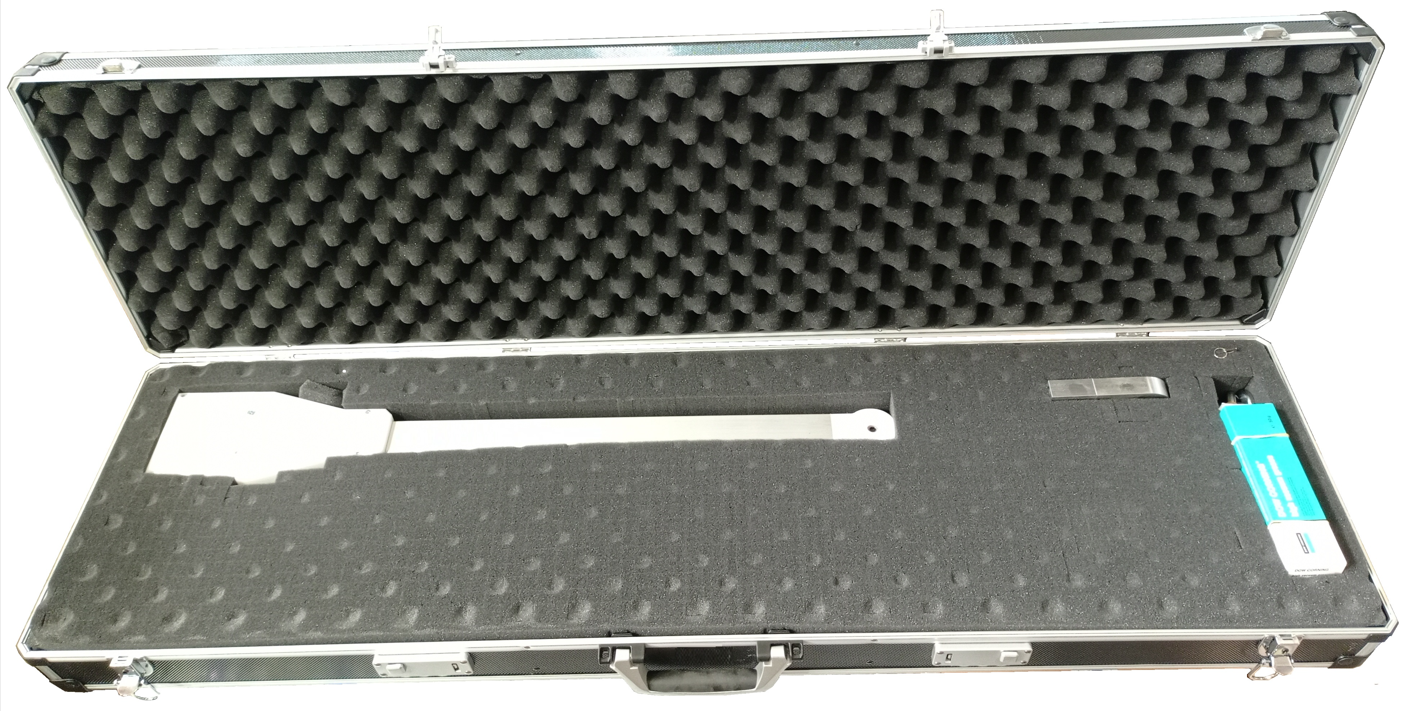
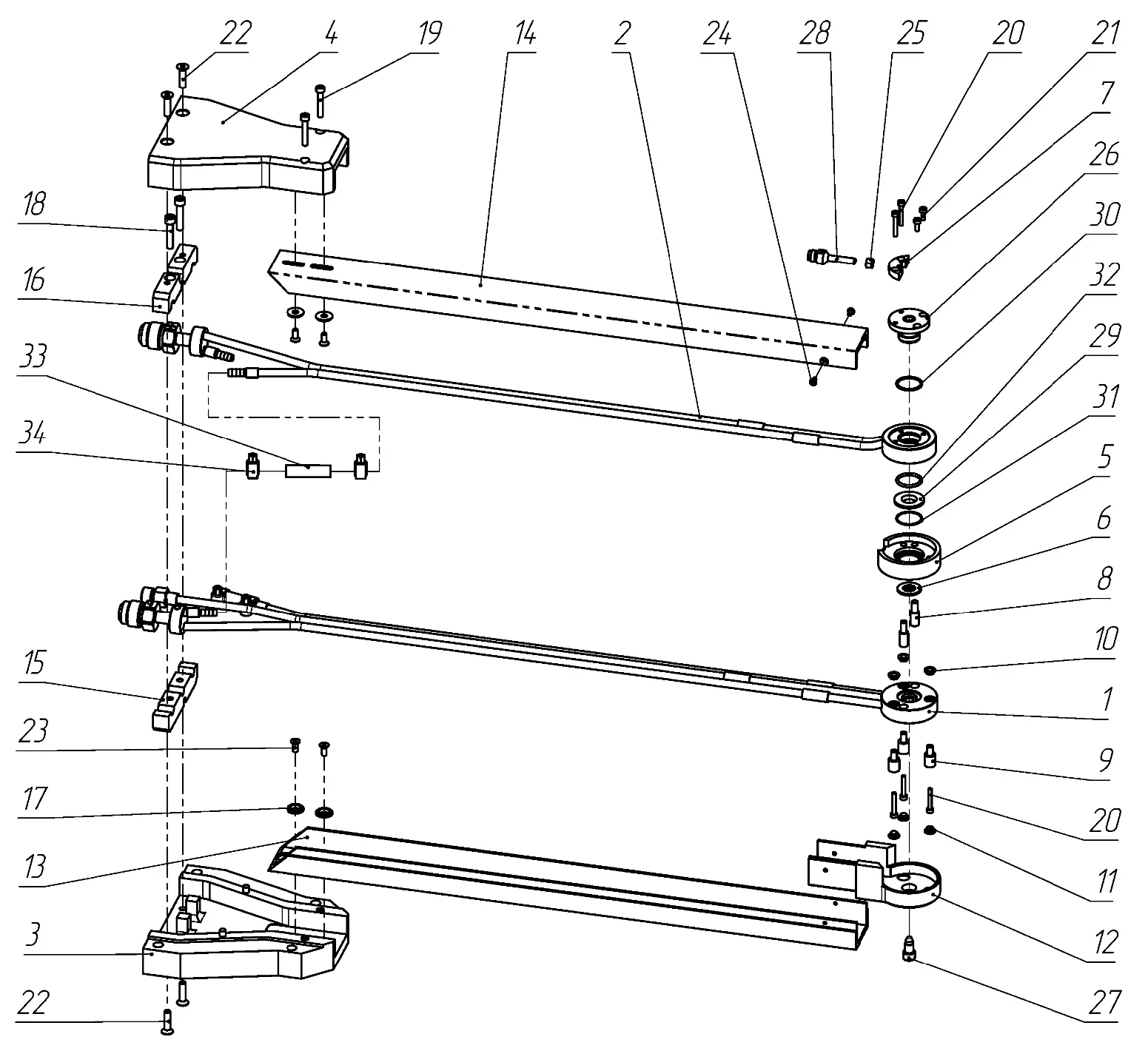
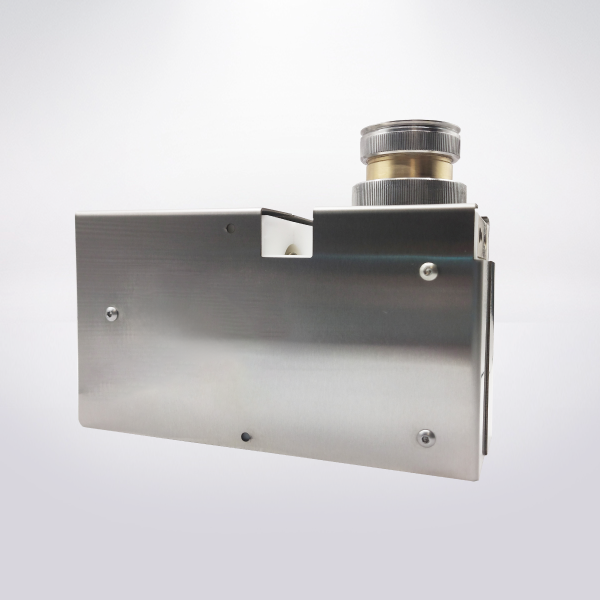

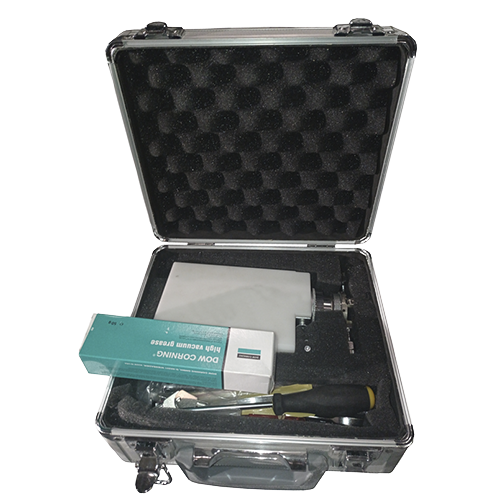
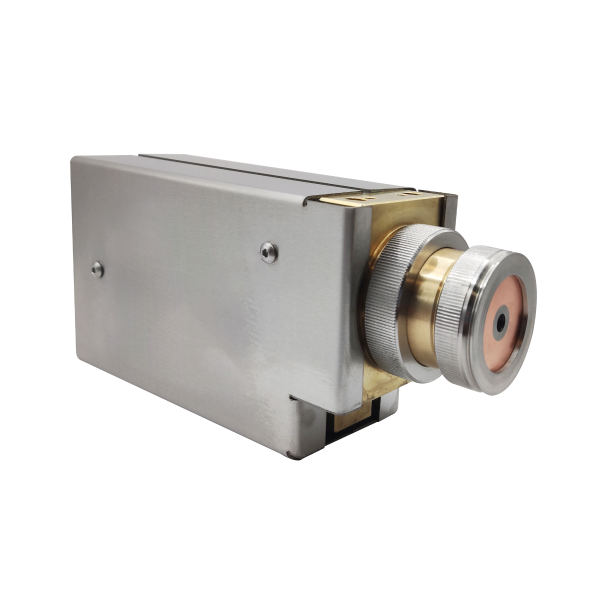
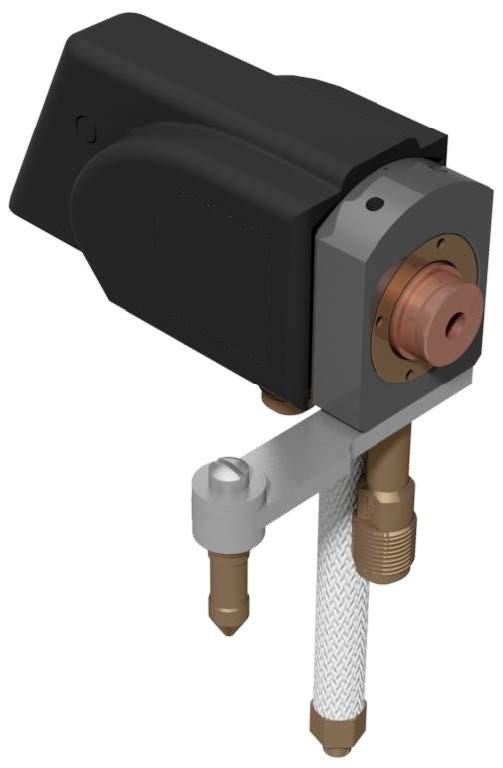
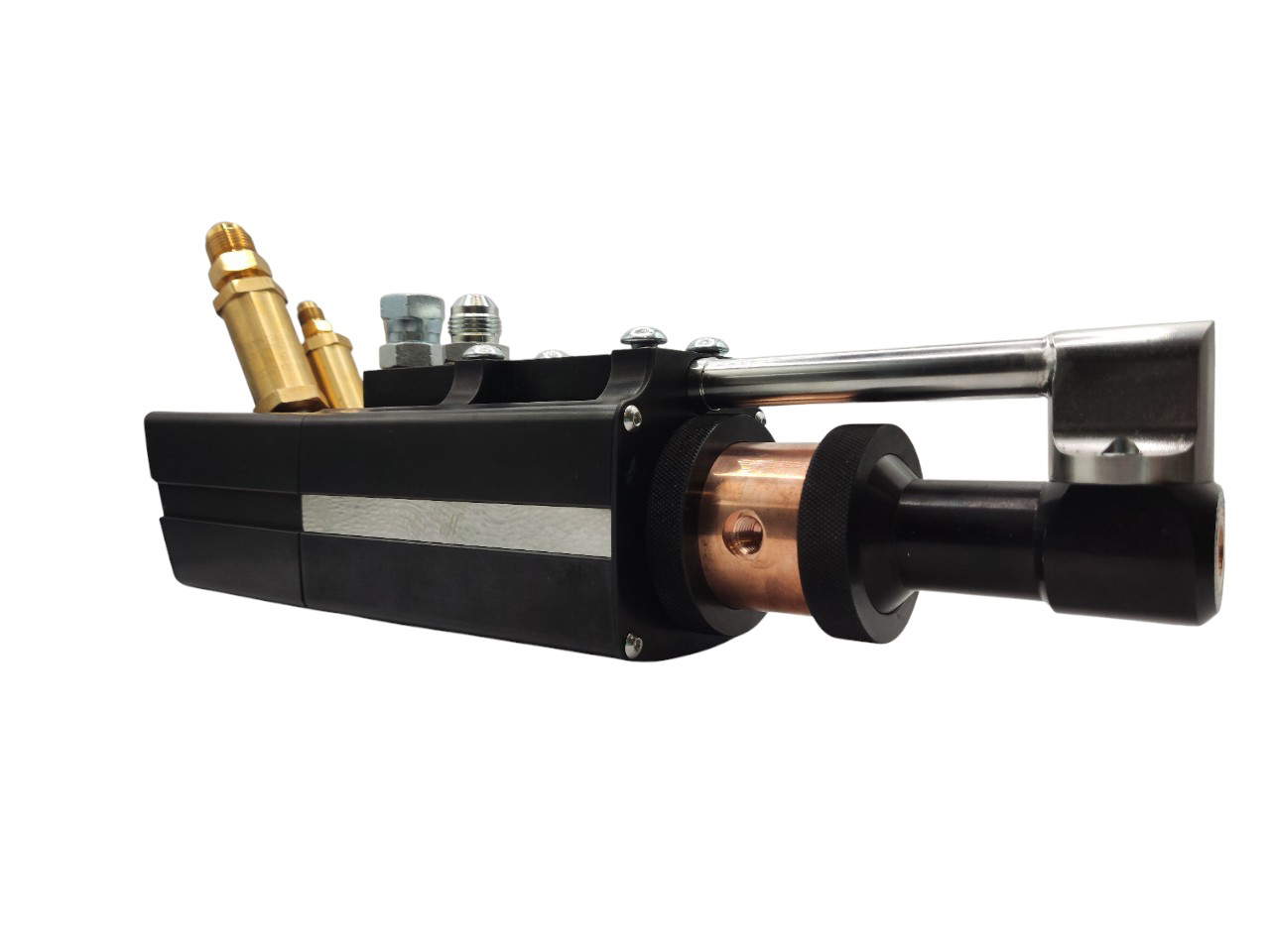
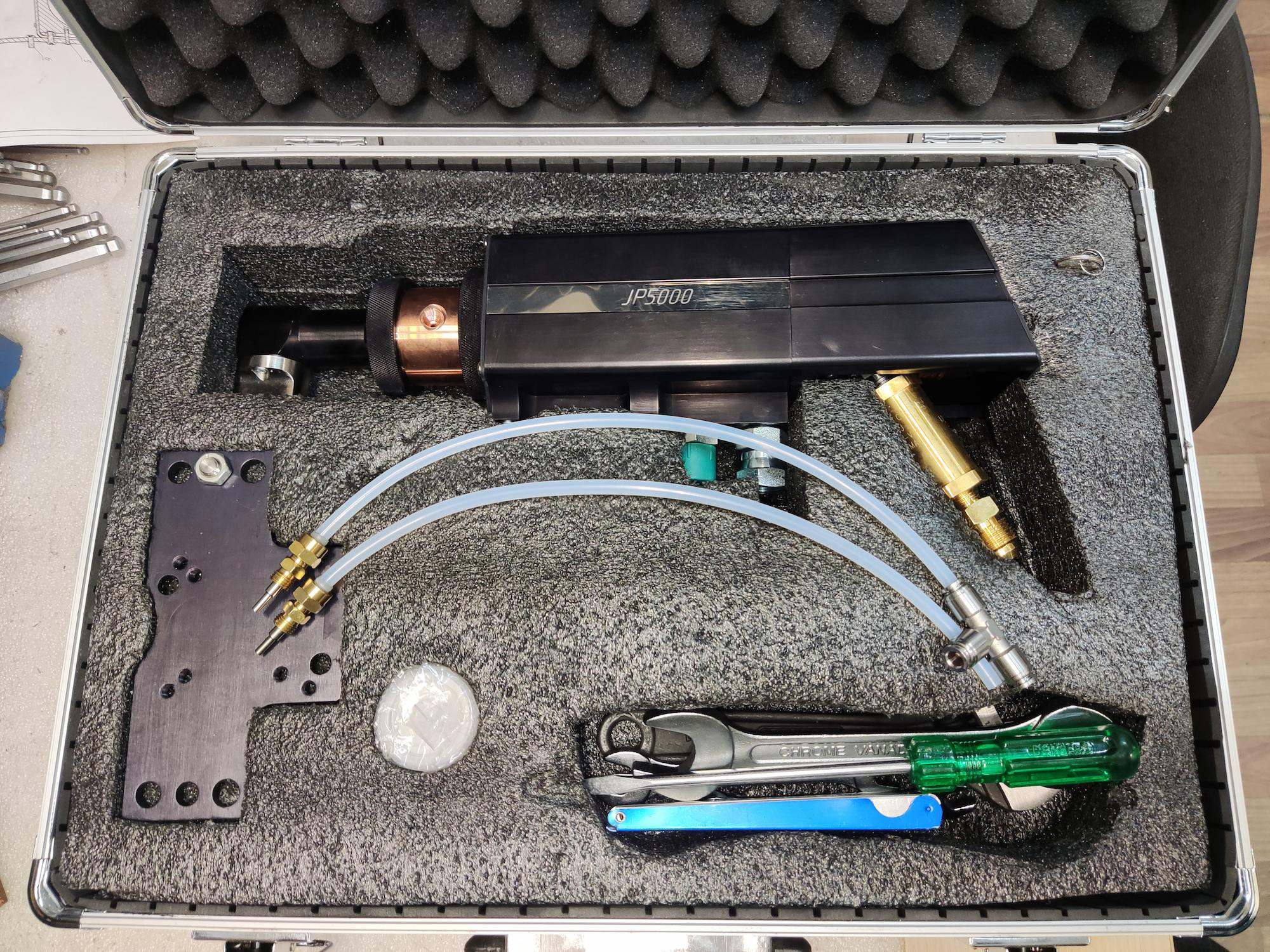
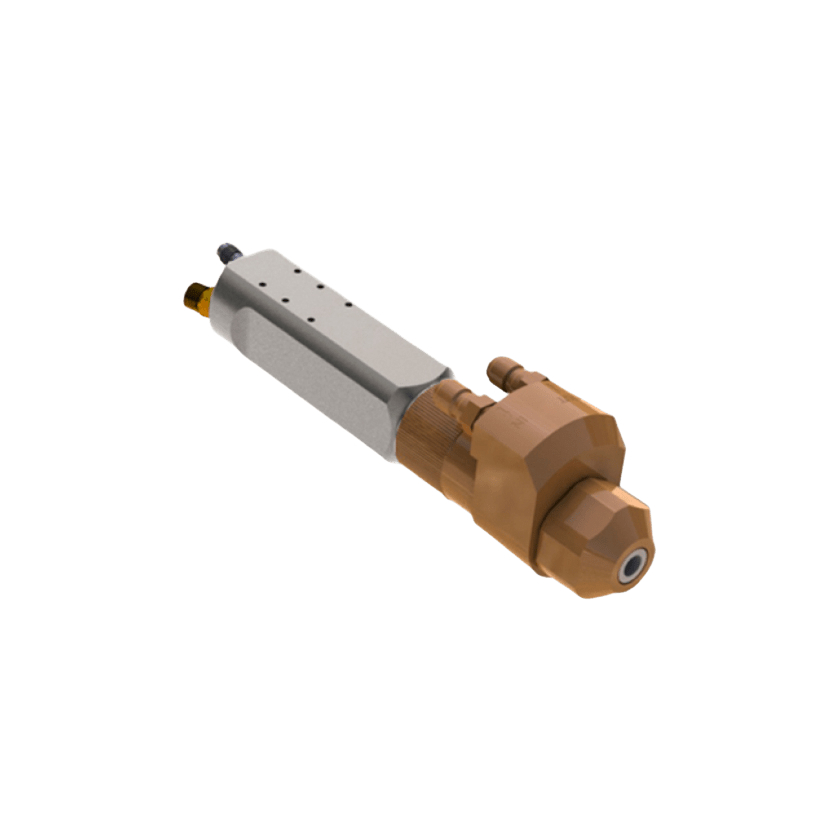
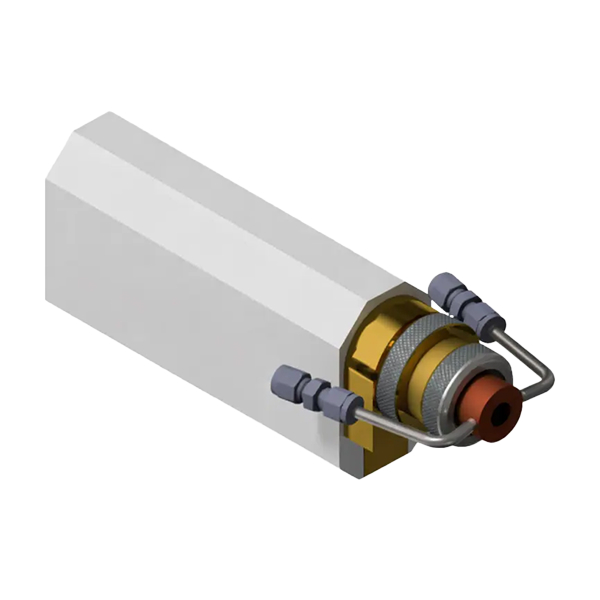
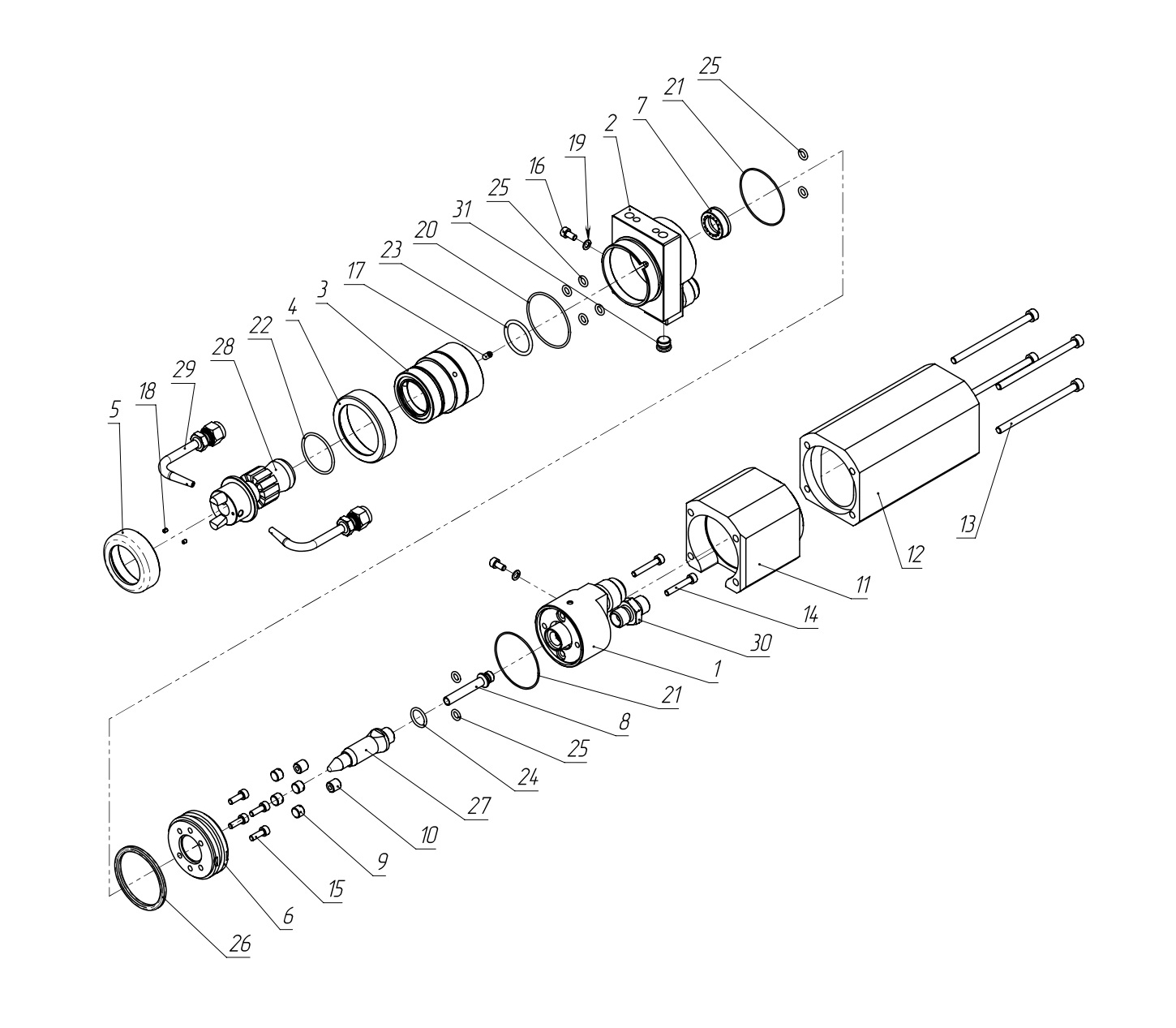
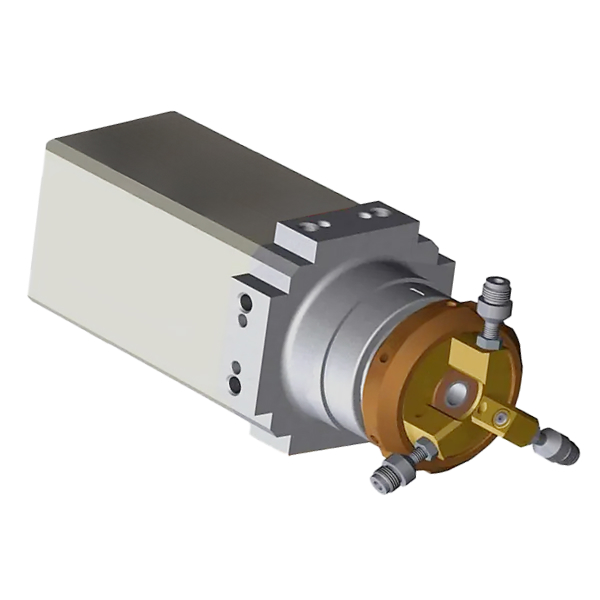
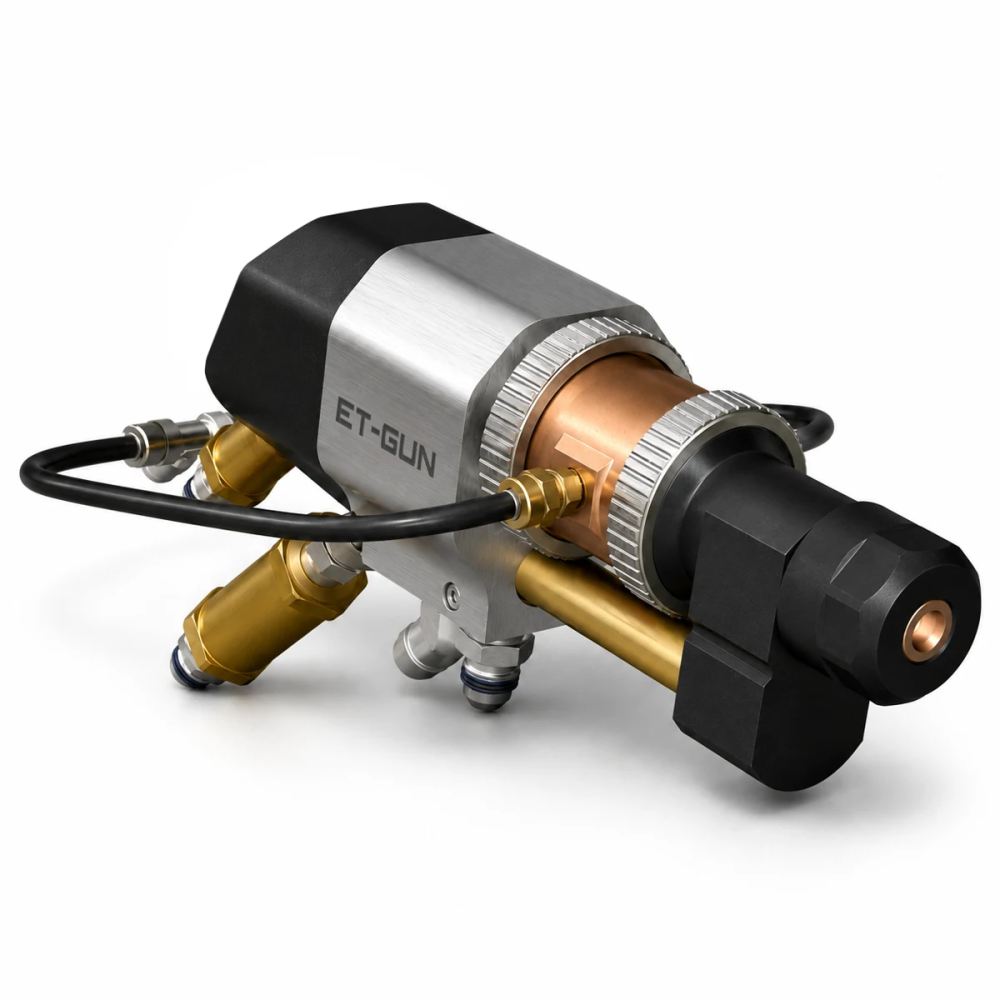
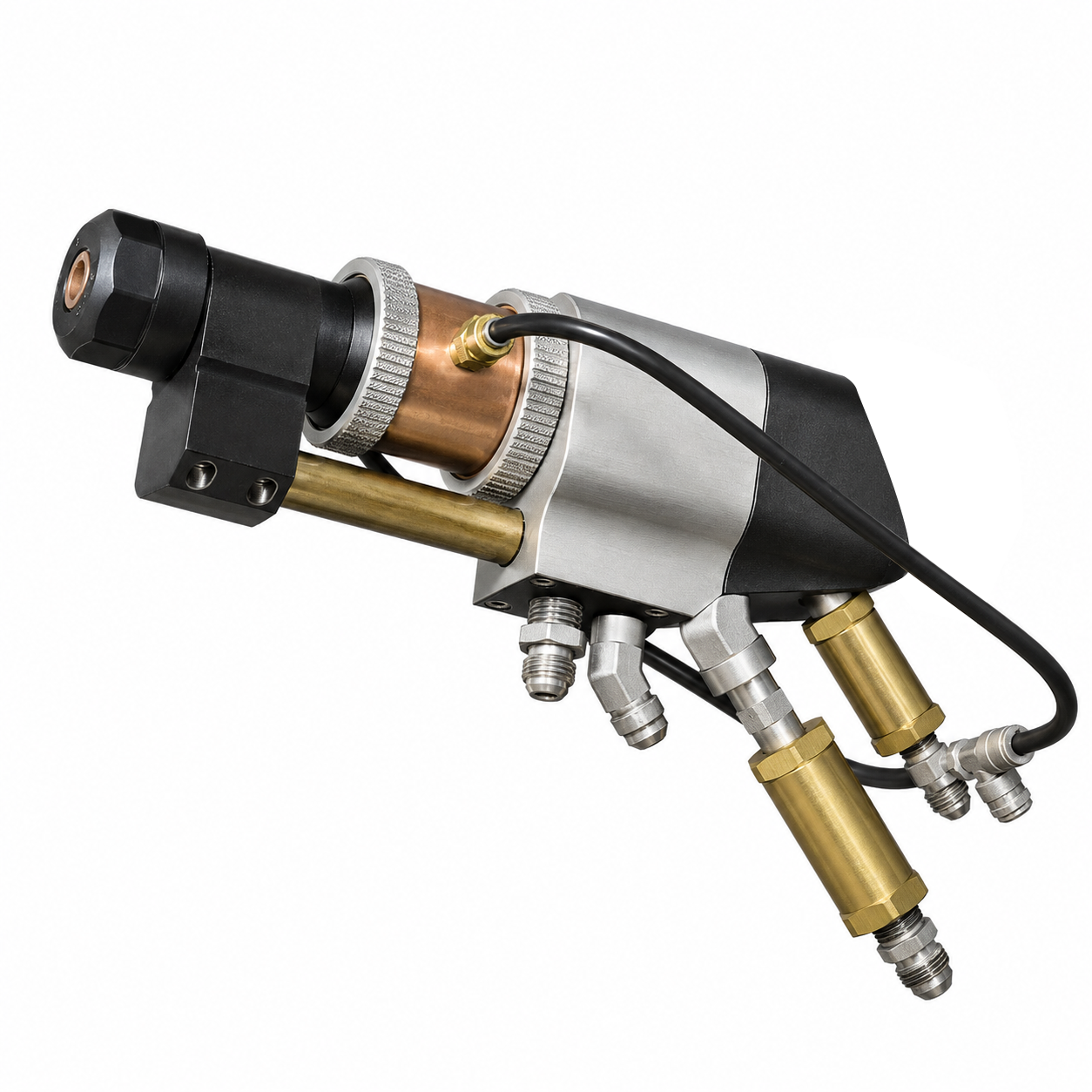
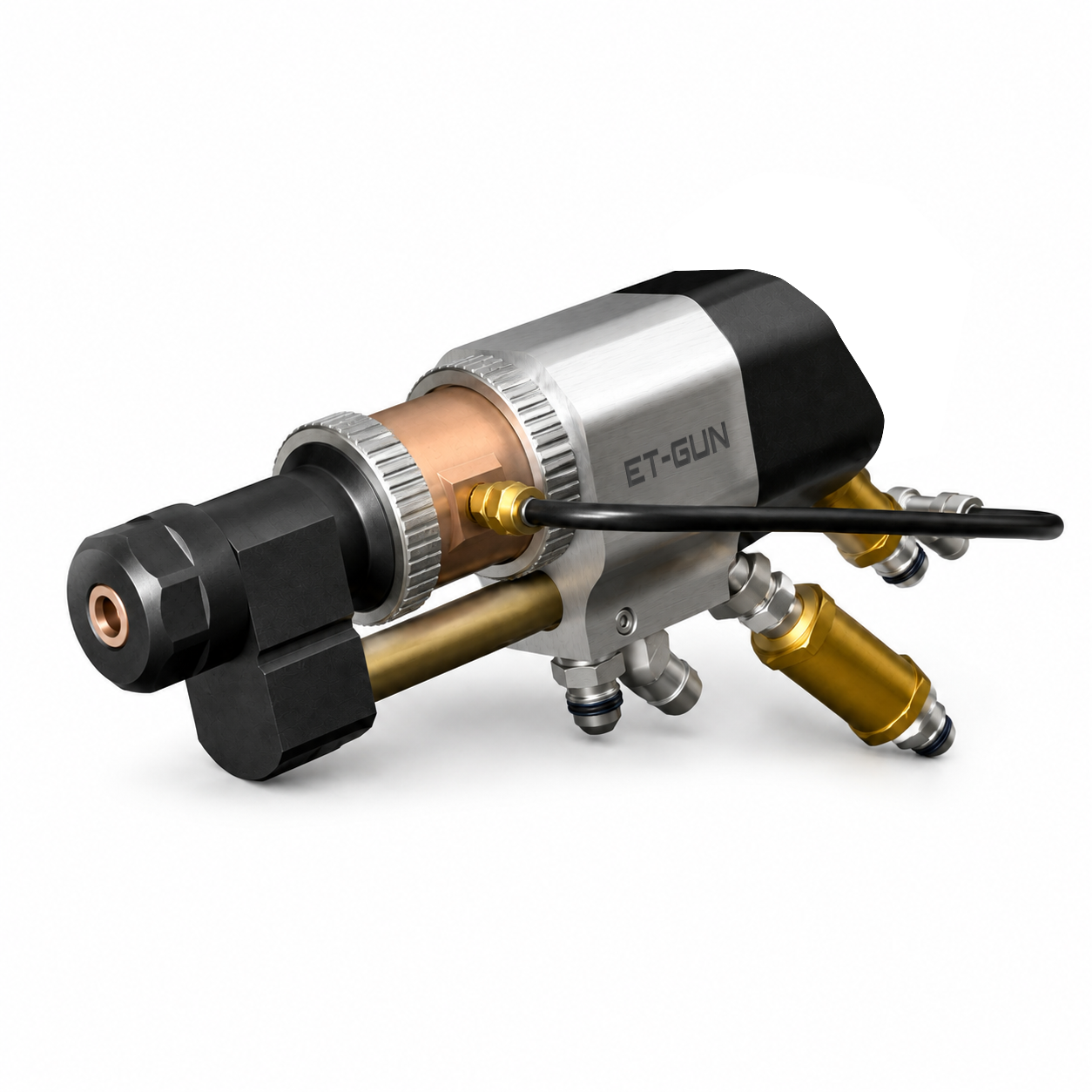
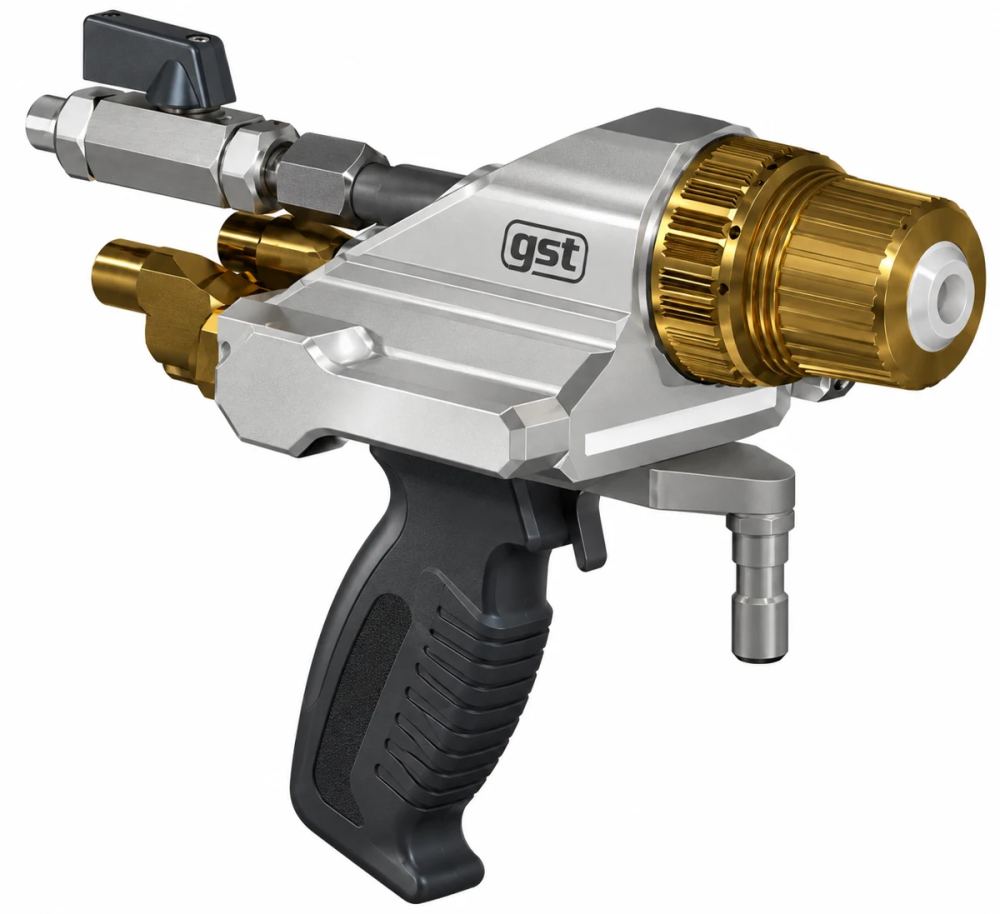
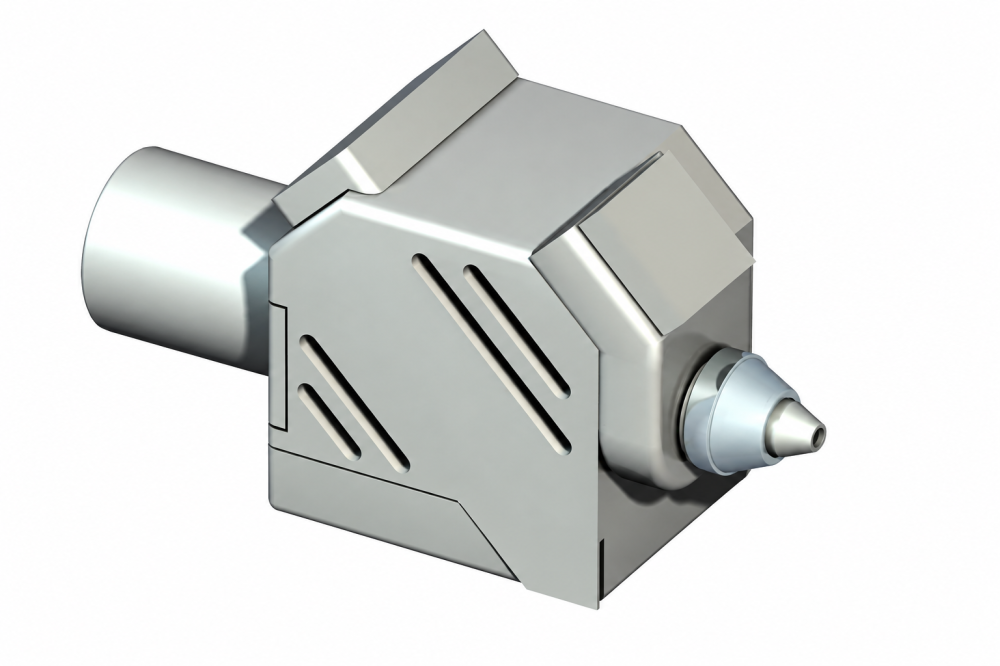
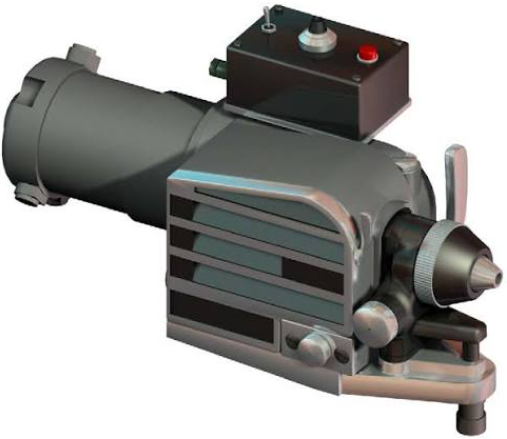
Thermal spray guns are the process heads that convert electrical or combustion energy into the heat and gas flow required to deposit coating material on a prepared surface. GST supplies thermal spray gun and torch solutions for plasma spraying, HVOF and flame wire spraying, covering industrial coating tasks from wear resistance to corrosion protection.
Gun selection defines the thermal spray process, available material range, spray rate and integration requirements. The correct model must match the coating specification, power or fuel source, powder feeder or wire feed unit, cooling circuit, component geometry and the level of automation used in the spray equipment.
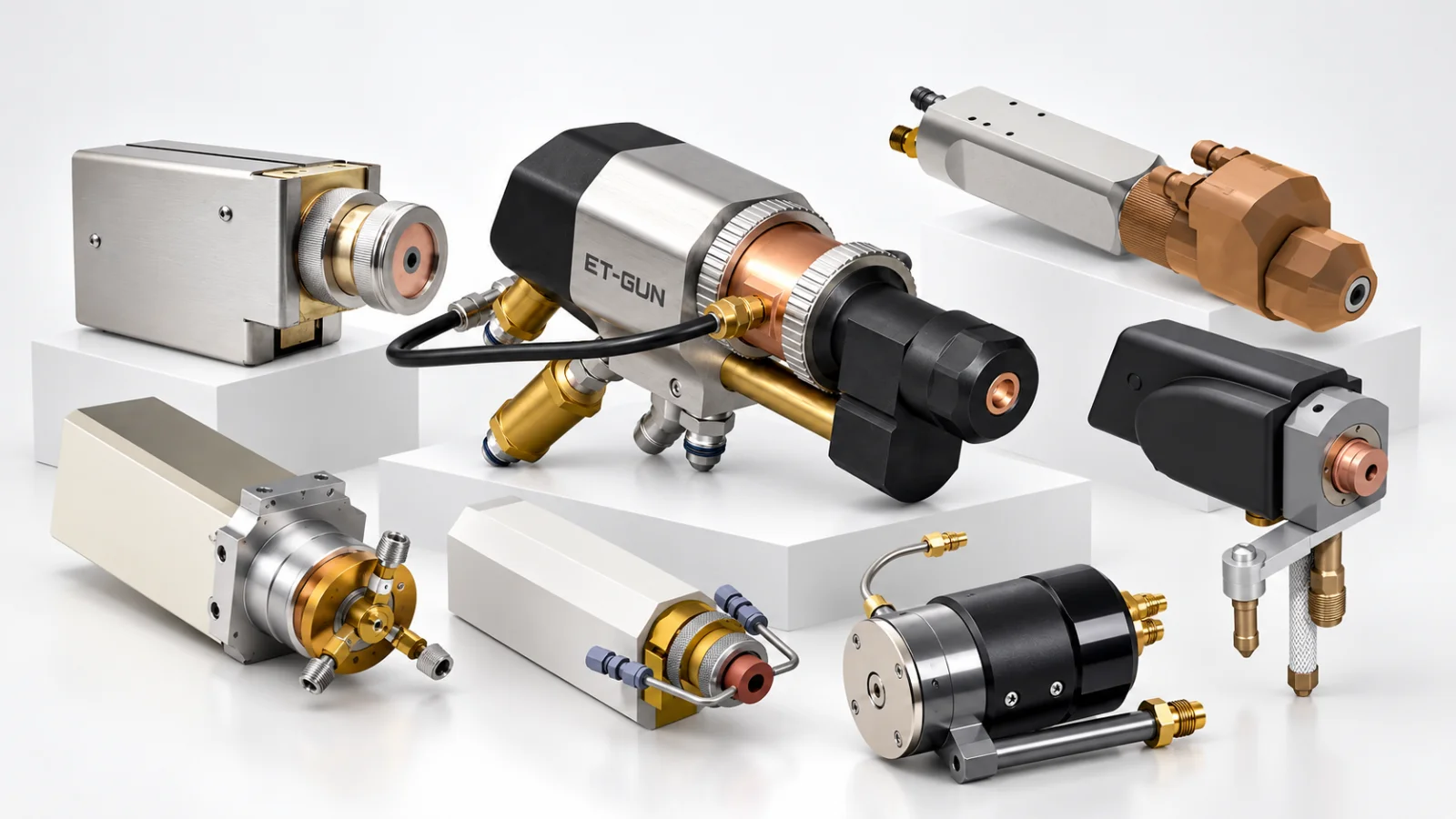
Plasma Spray Guns
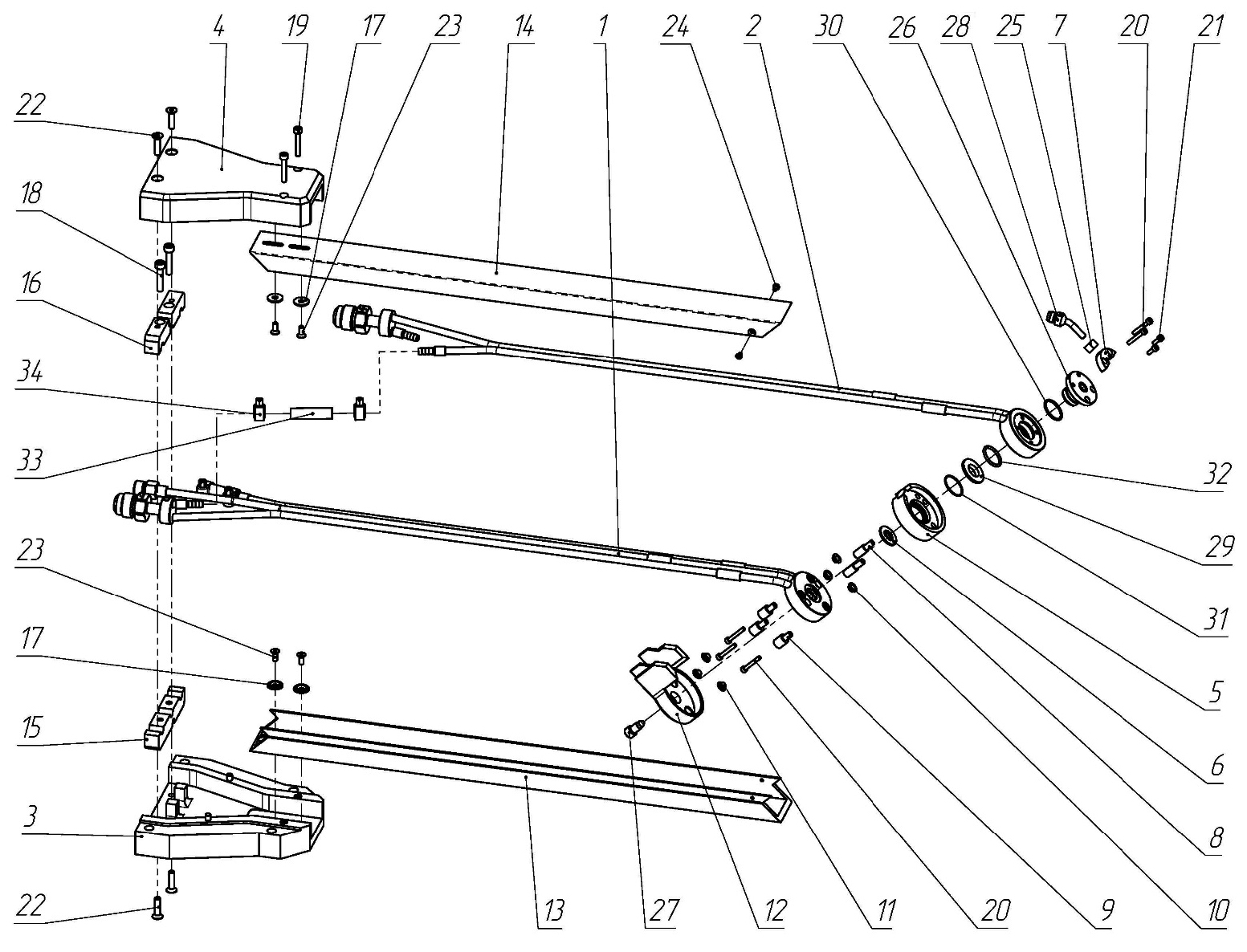
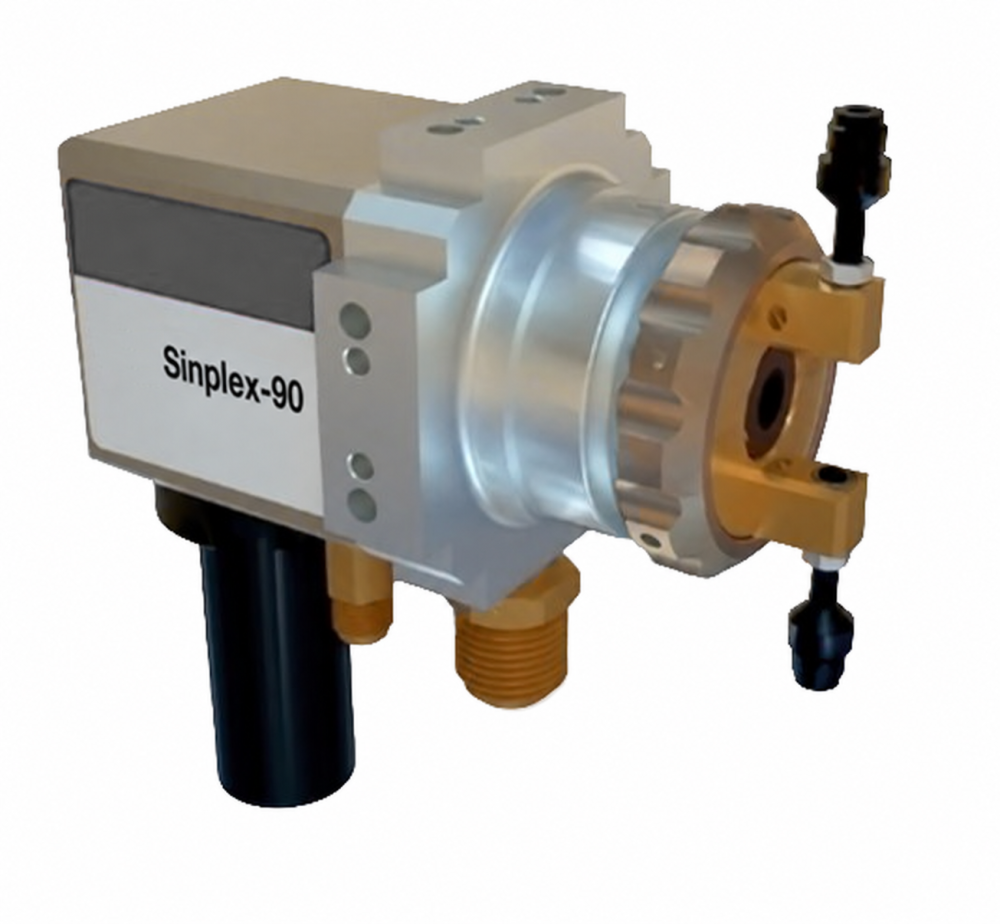
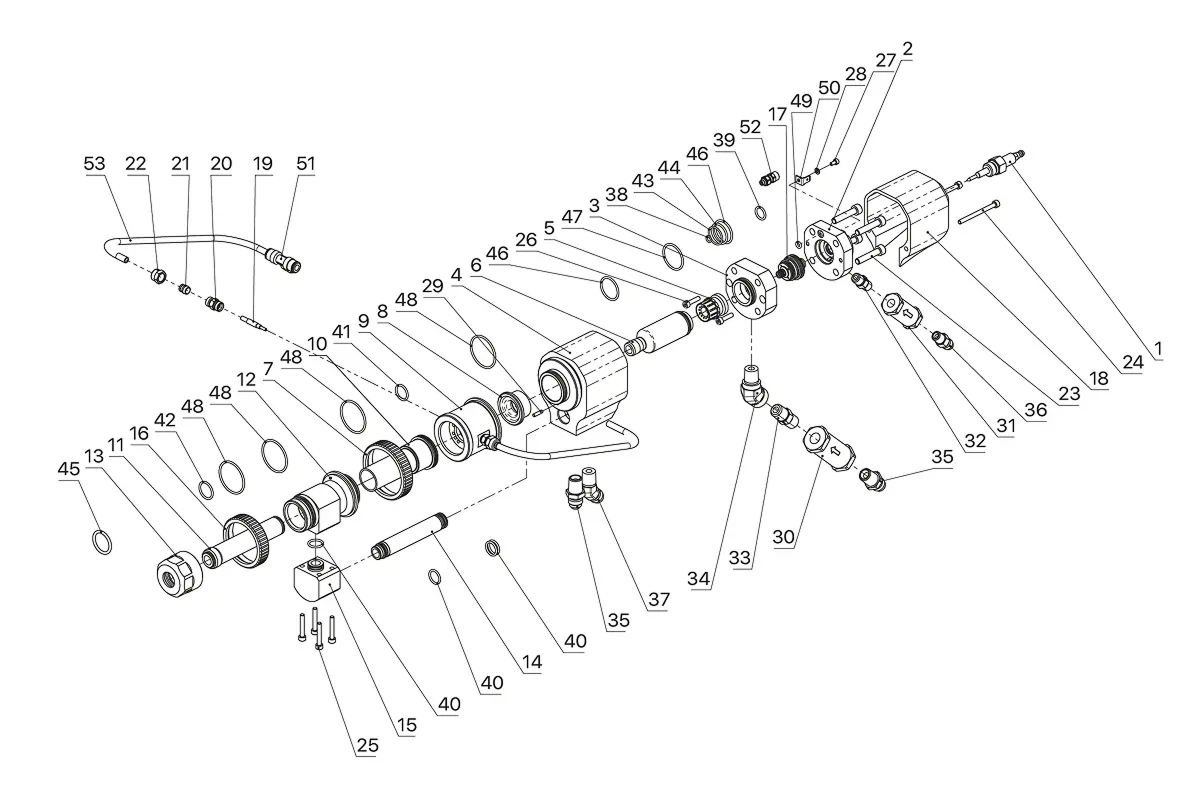
A plasma spray gun uses an electric arc between cathode and anode to create a high-energy plasma jet. Powder is injected into the jet, heated and accelerated toward the substrate. Power level, electrode design and cooling define the usable process window.
Single-cathode torches provide a proven architecture for many plasma spray systems. Multi-cathode designs use several electrodes to improve arc stability and manage thermal load in automated equipment.
HVOF and Combustion Guns
An HVOF spray gun burns fuel with oxygen in a combustion chamber and accelerates gas through a nozzle. Gas-fuel and liquid-fuel torches create different heat and velocity conditions, so selection depends on feedstock and coating requirements.
A flame spray gun for wire feed melts wire with an oxygen-fuel flame and atomizes it with compressed air. Arc spray gun applications use two wires melted by an electric arc and are covered in the Arc Spray Systems category.
How to Choose a Spray Gun
Choose a thermal spray gun first by process and coating material, then by required productivity and component geometry. Plasma is suited to ceramic and metal materials; HVOF is widely used for dense carbide and alloy coatings; flame wire is practical for zinc, metallic build-up and corrosion protection.
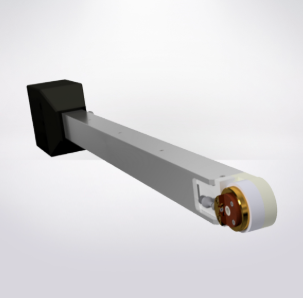
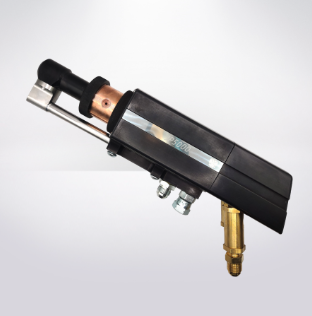
Access is equally important. Straight, angled or compact torch arrangements may be required for bores, recesses and internal surfaces, while automated production must consider gun mass, hose routing, stand-off distance, spray rate and robot or manipulator motion.
Compatibility and Spare Parts
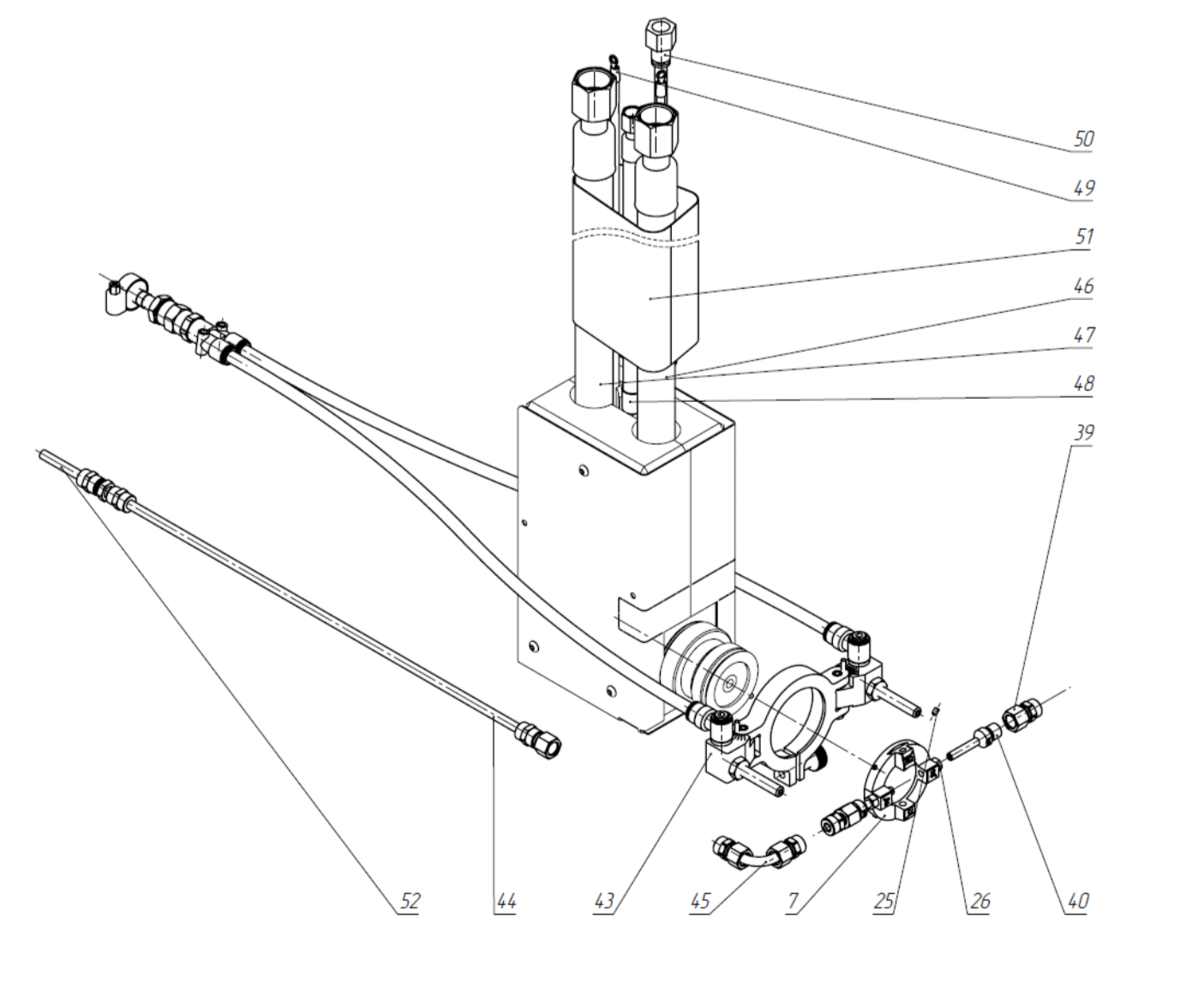
A spray gun must match the complete system. Plasma torches must suit the power supply and control unit; combustion guns must suit the gas or fuel modules. The configuration must also match the powder feeder or wire feed unit and cooling system.
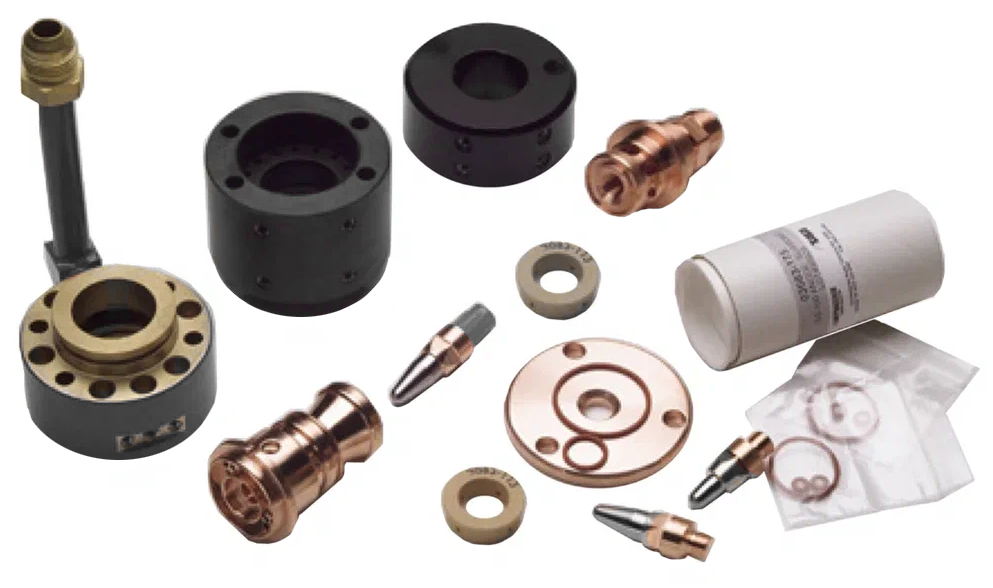
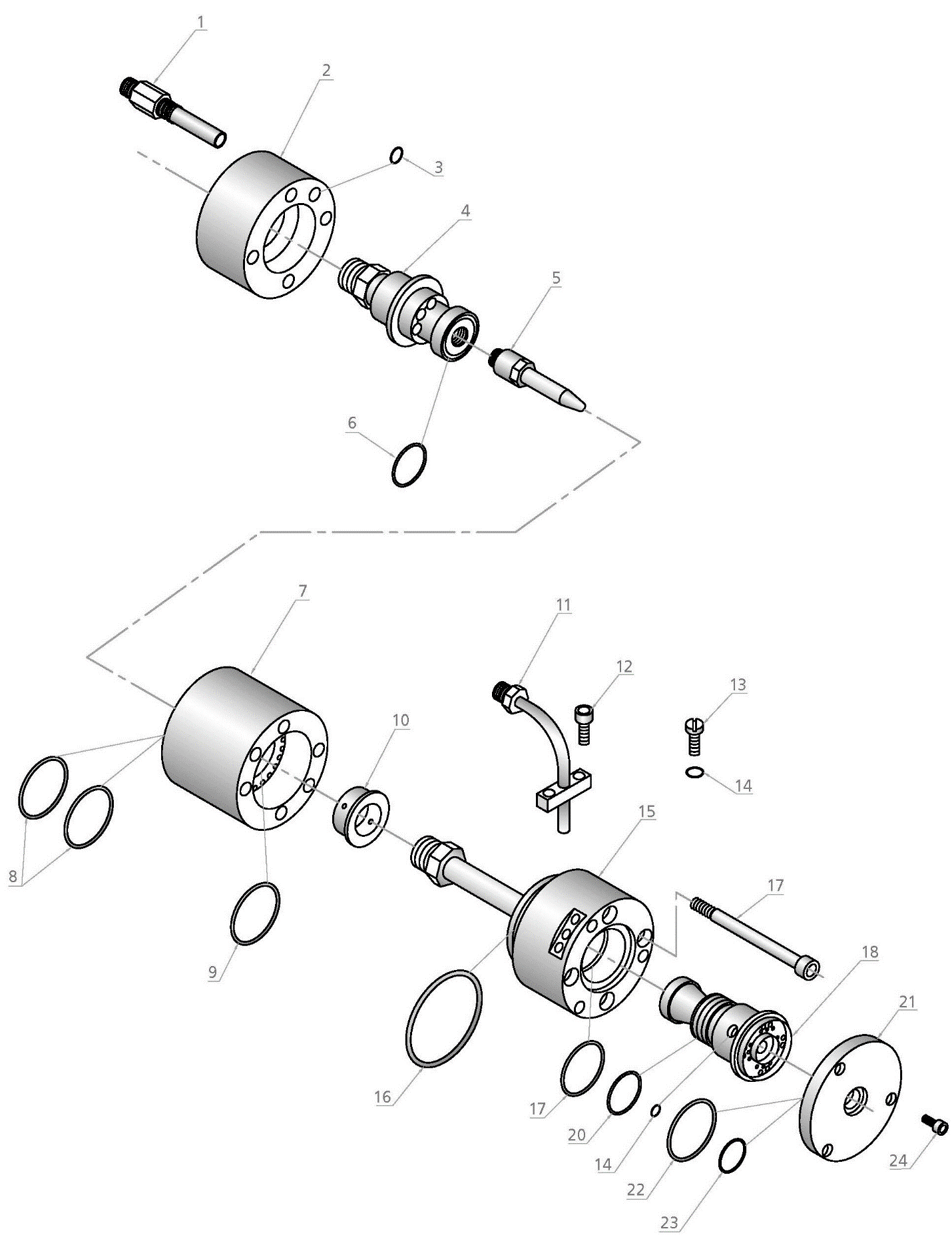
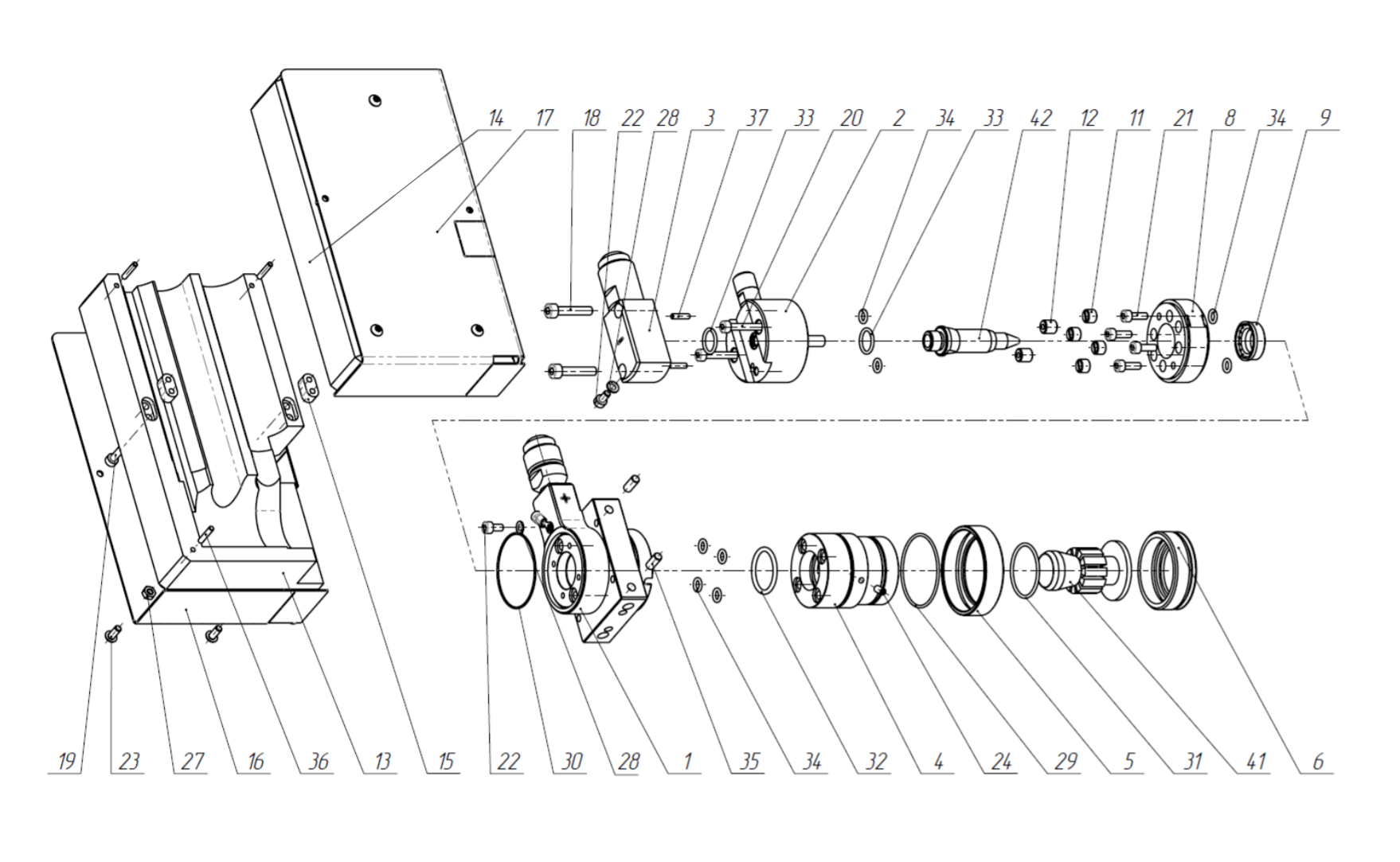
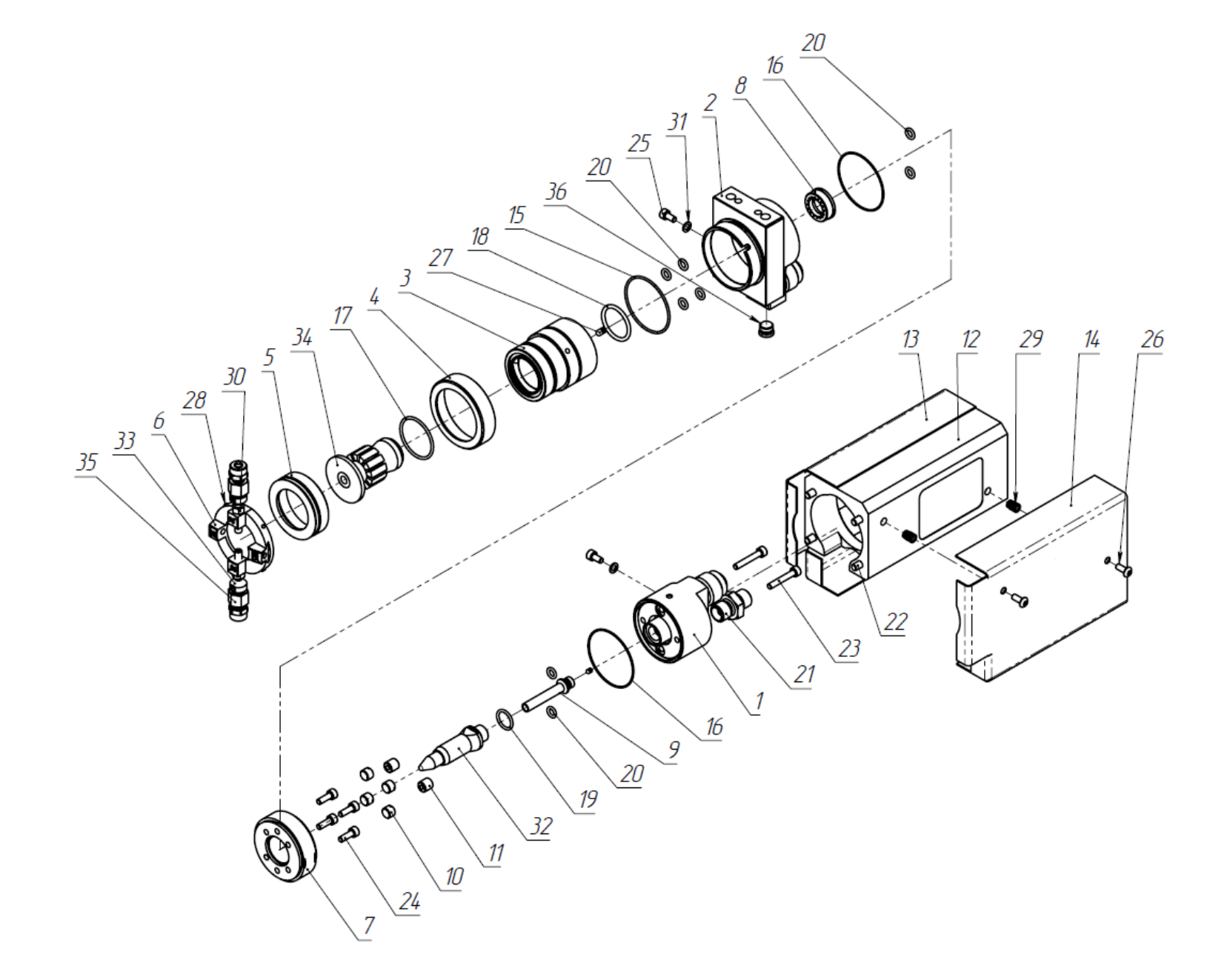
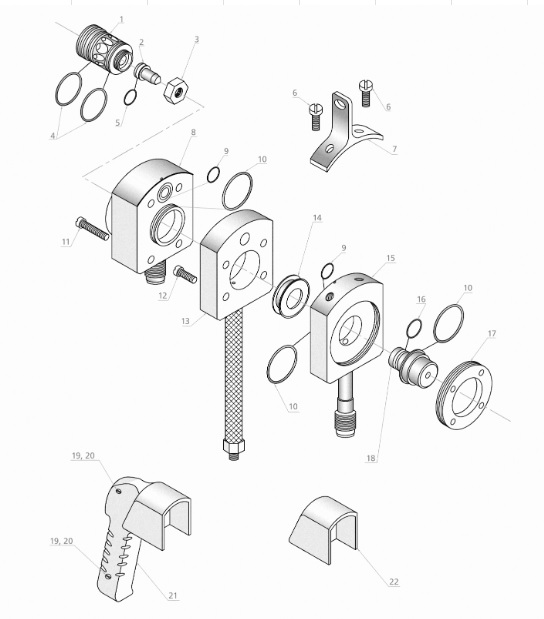
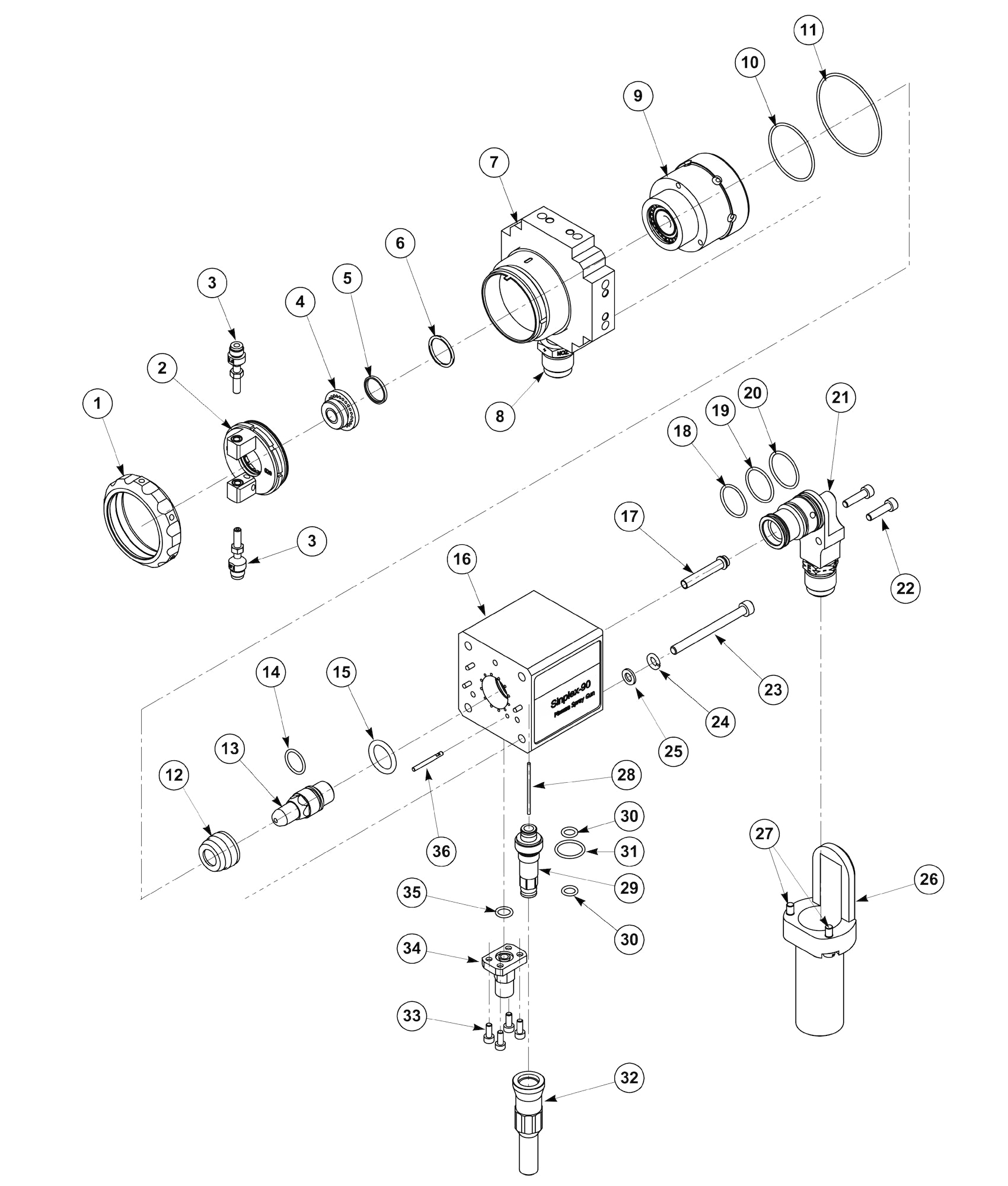
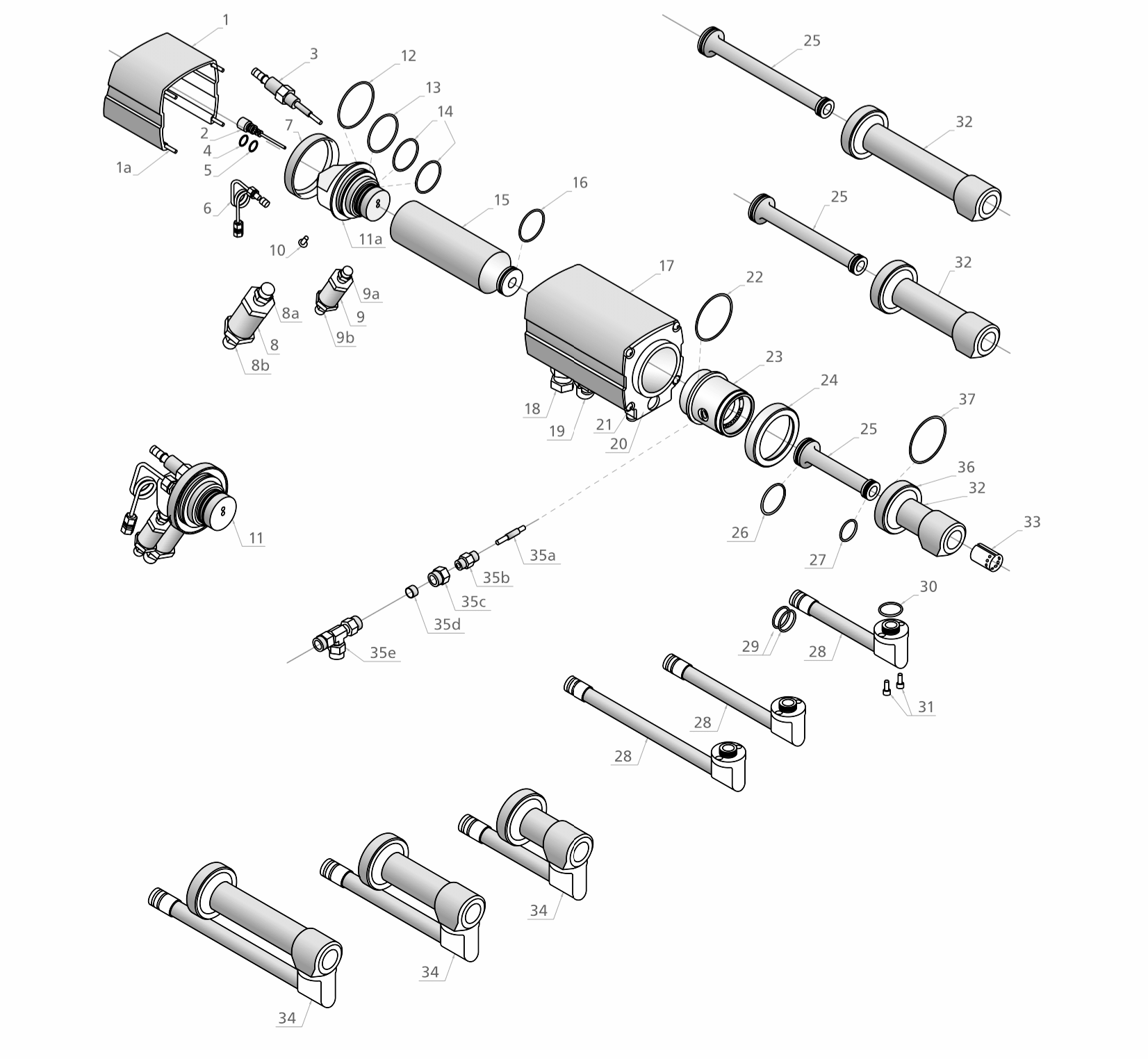
Service requires the correct spare parts and consumables. Nozzles, electrodes, insulators, seals and other wear items must match the exact gun version. GST can supply spare parts and support maintenance planning.
Delivery and Support
GST supports gun selection for new systems and existing installations, including compatibility review, commissioning and operator training. The final configuration is matched to the customer's coating process, equipment interfaces, application and service requirements.